Concert ear protection means wearing earplugs, keeping distance from speakers and resting your ears so loud live music does not damage your hearing. Foam or filtered earplugs are cheap and effective, and they work best when fitted before the first song.
This guide is part of the wider series on how to go to a concert, and it covers the hearing side of a night out. It is general information, not medical advice.
Why loud live music can harm hearing
Inside the ear, tiny sensory hair cells turn sound vibrations into signals for the brain. According to the National Institute on Deafness and Other Communication Disorders (NIDCD), sounds at or below 70 A-weighted decibels (dBA), even after long exposure, are unlikely to cause hearing loss, while long or repeated exposure to sounds at or above 85 dBA can cause hearing loss.
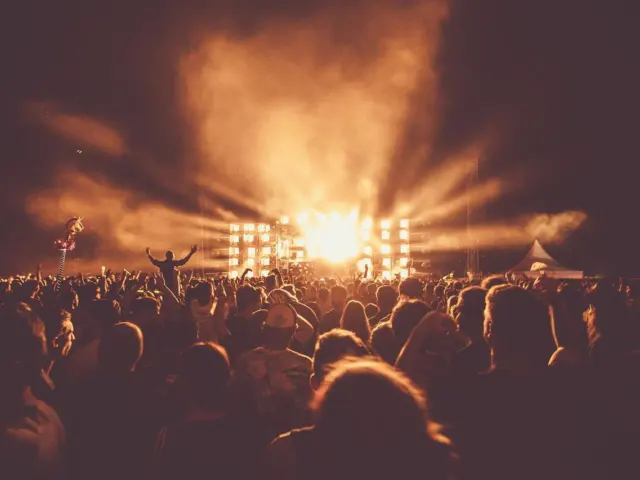
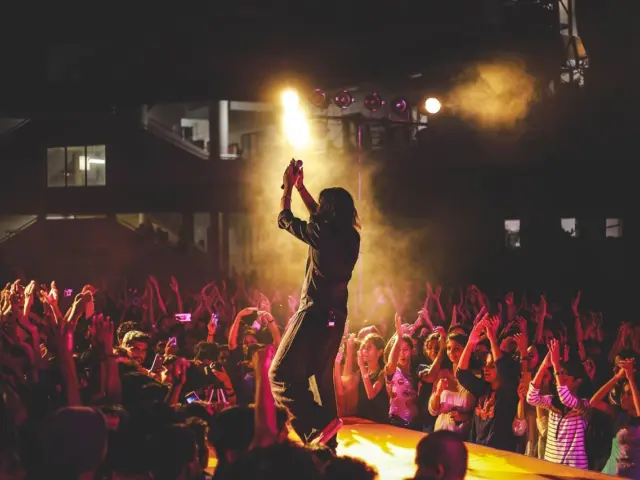
The same NIDCD page lists music through headphones at maximum volume, sporting events and concerts at 94-110 dBA, which sits well above that 85 dBA line. Two factors matter alongside raw loudness: how far you stand from the source and how long you stay exposed. A set that feels thrilling at the front of a room can be a very different dose from the same set heard near the back.
Because the damage from noise exposure is usually gradual, the NIDCD notes that people may not notice it, or may ignore the signs until they become more pronounced. That is why protection before the show matters more than worry afterward.
Signs your ears have had too much
The World Health Organization (WHO) describes how a person enjoying a loud concert may afterwards notice muffled hearing or a ringing or buzzing in the ears, known as tinnitus. These are the usual warning signs after a loud night:
- Muffled or dull sound, as if the world has been wrapped in cotton.
- A ringing, buzzing or roaring noise that lingers after the music stops.
- Difficulty following conversation in the car ride home.
According to the NIDCD, loud noise can cause a temporary hearing loss that disappears 16 to 48 hours later, but it also warns that tinnitus may sometimes continue constantly or occasionally throughout a person’s life. A temporary change is still a signal that the ears were under strain, so treat it as a reason to protect them better next time.
Earplug options for concerts
The NIDCD advises wearing earplugs or other protective devices when involved in a loud activity, and the WHO notes that foam earplugs can be bought cheaply from a pharmacy, drug store or supermarket. Most concert-goers choose between a few types:
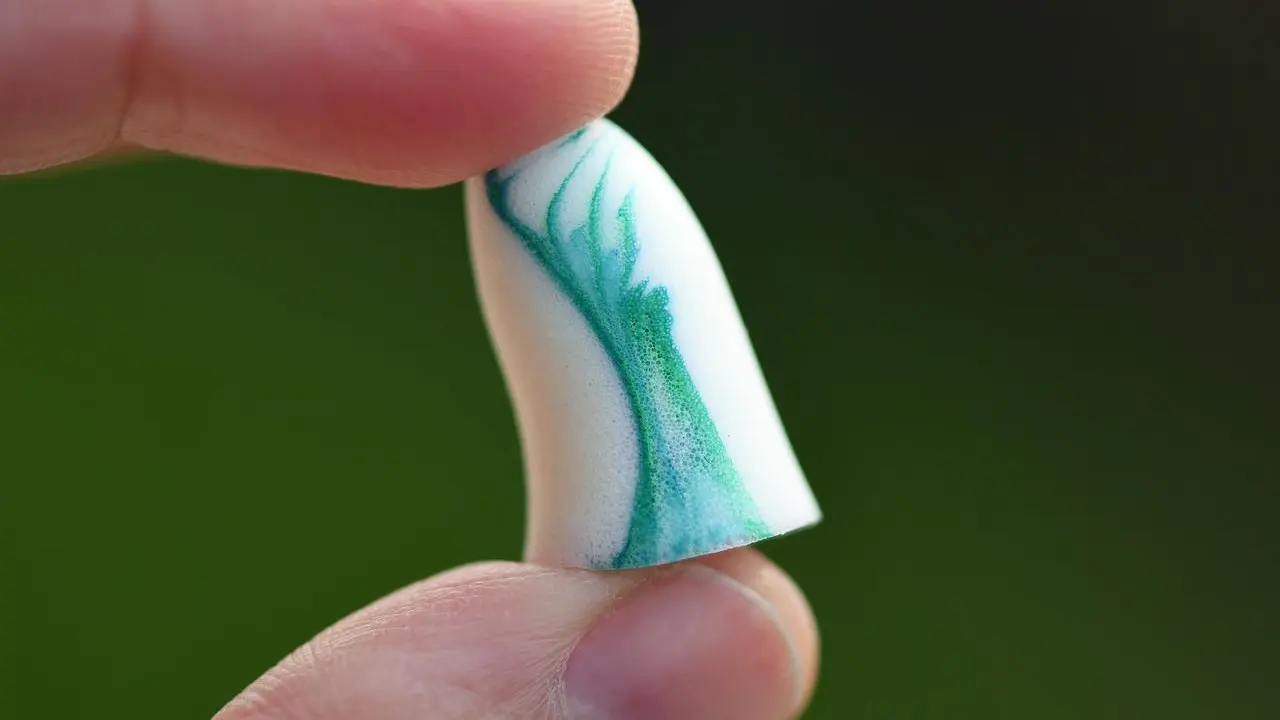
- Foam earplugs. Inexpensive and widely available. They reduce volume strongly but can make music sound muffled, because they cut high frequencies more than low ones.
- Filtered (high-fidelity) earplugs. Reusable plugs with an acoustic filter that lowers the overall level while keeping music clearer and more natural. They cost more but suit regular gig-goers.
- Custom-molded plugs. Made from an impression of the ear by a hearing professional. They are the most comfortable for long sets and are usually the priciest option.
- Earmuffs. Over-ear protectors, often used by children and by people who cannot tolerate plugs in the canal.
Whatever type you choose, buy it and test it at home first. A plug that turns uncomfortable partway through the evening will end up in a pocket before the headliner starts.
How to wear earplugs correctly
A badly fitted plug protects far less than a good one. For foam plugs, the WHO guidance says to roll the earplug between your thumb and forefinger to compress it, insert it into the ear canal to a comfortable depth, and hold it in place with your finger until it expands and sits securely. It adds that correctly inserted earplugs can reduce the level of sound exposure considerably, decreasing the risk of hearing damage.
Put them in before the doors open or before the first act starts, not after your ears already feel tired. When packing your bag, the guide on what to bring to a concert is a useful place to add earplugs to the checklist.
Habits that lower your exposure
Plugs are only part of the plan. The WHO recommends staying away from loudspeakers and amplifiers, since the intensity of sound reduces as you move away from sound sources, and resting your ears in a quiet space for 10 minutes after every hour. The NIDCD makes a similar point: if you cannot reduce the noise or protect yourself from it, move away from it.
In practice that suggests a few simple habits:
- Avoid standing directly in front of a speaker stack or subwoofer.
- Step out to a quieter area such as a lobby, patio or hallway between sets.
- Pick a spot toward the middle or back of the room if you want a calmer sound level. The trade-offs of different spots are covered in general admission vs reserved seating.
- Give your ears a quiet evening the next day rather than putting headphones straight on at high volume.
Planning ahead for the night
A little preparation makes protection easy to keep up. Add earplugs to the same pocket as your keys and phone so they are never forgotten, and keep a small case in a bag or jacket so they stay clean. Check how your ears feel on the way in, and if the room is louder than expected, move back from the stage rather than pushing through.
If you are travelling with friends, agree on a meeting point away from the speakers. That gives everyone a place to take a short break, talk without shouting and give their ears a rest before the next act.
Hearing protection for young people and regular attendees
Parents bringing children can look at over-ear protectors designed for smaller heads, and fit them before the music starts. Hearing damage builds up across many nights rather than showing up after a single gig, so a habit of wearing protection matters more than any one event.
Anyone who already has ringing, muffled hearing that does not clear, or other hearing concerns should see an audiologist or doctor rather than relying on general guides like this one.
Frequently asked questions
Will earplugs ruin the sound of the music?
Show answer
Basic foam plugs can make music sound duller. Filtered earplugs are designed to lower the level more evenly so the music stays clearer.
Is ringing in the ears after a show normal?
Show answer
It is common, but it is a sign of strain on the ears. The WHO lists ringing or buzzing as something a loud concert can cause, so protect your ears better next time and see a doctor or audiologist if it does not fade.
Do I need earplugs at small club shows?
Show answer
Small rooms can be just as loud as big ones, and standing close to speakers raises exposure. Carrying plugs costs little, so many regulars bring them to every show.
Can headphones cause the same damage?
Show answer
Yes. The NIDCD places music through headphones at maximum volume in the same loudness range as concerts, so keep the volume moderate after a night out.