

What is an opening act? It is a musician or group that performs before the main attraction, known as the headliner, to warm up the audience at a concert. Also called a support act or opener, it shares the bill without topping it.
Understanding support slots makes any night out smoother, and the wider guide on how to go to a concert covers the rest of the planning.
The role of an opening act
According to Wikipedia’s entry on the opening act, the term describes an entertainment act, musical, comedic or otherwise, that performs at a concert before the featured act, or headliner. The entry adds that the opening act’s performance serves to warm up the audience, making it appropriately excited and enthusiastic for the headliner.
That description captures the practical purpose. A crowd that arrives while the room is still filling needs a gentle start, and a support set gives people time to find their spots, get a drink and settle in. By the time the headliner walks on, the room has an atmosphere rather than an empty floor.
The role is not only a musical one. The same reference notes that comedians sometimes open for a music concert, though more rarely, and that a warm-up comedian also works in comedy clubs and before television tapings. In every version the job is the same: prepare the audience for what follows.
Opener, support act and other names
The same slot goes by several labels. The Wikipedia entry lists warm-up act, support act, supporting act and opener as alternative names for an opening act. Venues, promoters and fans use them loosely, so a listing that says “with special guest” or “support” is usually describing the same kind of slot.
The headliner, meanwhile, is defined by Wikipedia’s headliner page as a main act, following an opening act, or the leading attraction in any piece of entertainment. In other words, the two terms are defined against each other: the headliner is the act people mainly came to see, and the opener is the act that comes before.
The same source says that, rarely, an opening act may perform again at the end of the event, or perform with the featured act after both have had a set to themselves.
- Definition and warm-up purpose: opening act definition
- Warm-up purpose: warm up audience
- Rare repeat or joint set: rarely
- Rock openers are up-and-coming: up-and-coming
- Different openers per leg: different openers
Who usually opens in rock and indie music
In rock music, the Wikipedia entry states that the opening act will usually be an up-and-coming group with a smaller following than the headliner. That arrangement benefits both sides. The headliner gets a lively warm-up, while the newer group plays to a room of listeners who have not heard them before.
For anyone following independent music, this makes support slots one of the main ways to discover new artists in person. A ticket for a headliner often brings an introduction to a group that has not yet built a large audience, and many fans arrive early for exactly that reason.
It also matters for musicians. Anyone building a following will often meet the live scene first through short sets in the early part of a bill, and the practical side of that path is covered in guides to forming and running a group.
How openers are chosen on tour
On a single night, an opening act might be a local group booked by the venue or promoter. On a longer run, the choice can be part of the tour plan. A Wikipedia article on the concert tour explains that different segments of a longer tour are known as legs, and that the most common ways of separating legs are dates, countries or continents, or different opening acts.
The entry on opening acts makes the same point from the other direction: on long concert tours, different opening acts may be used for different legs of the tour. A fan who sees a show in one region may therefore see a different support group from a fan in another region.
The logistics behind this, including routing and booking, are explained in the guide to how a band tour works, which shows where a support slot fits in the larger plan.
Soundcheck and the set list
Much of an opening act’s work happens before the audience arrives. Wikipedia’s soundcheck article describes a soundcheck as the preparation that takes place before a concert to adjust the sound on the venue’s sound reinforcement system. The performer and the audio engineers run through a small portion of the upcoming show to confirm that the speakers and stage monitors are clear, set at the proper volume and correctly mixed.
The same article says that soundchecks are usually conducted prior to audience entry to the venue. Because the stage hosts more than one act in the evening, the schedule matters, and the support group typically has to fit its preparation around the headliner and the venue’s own staff.
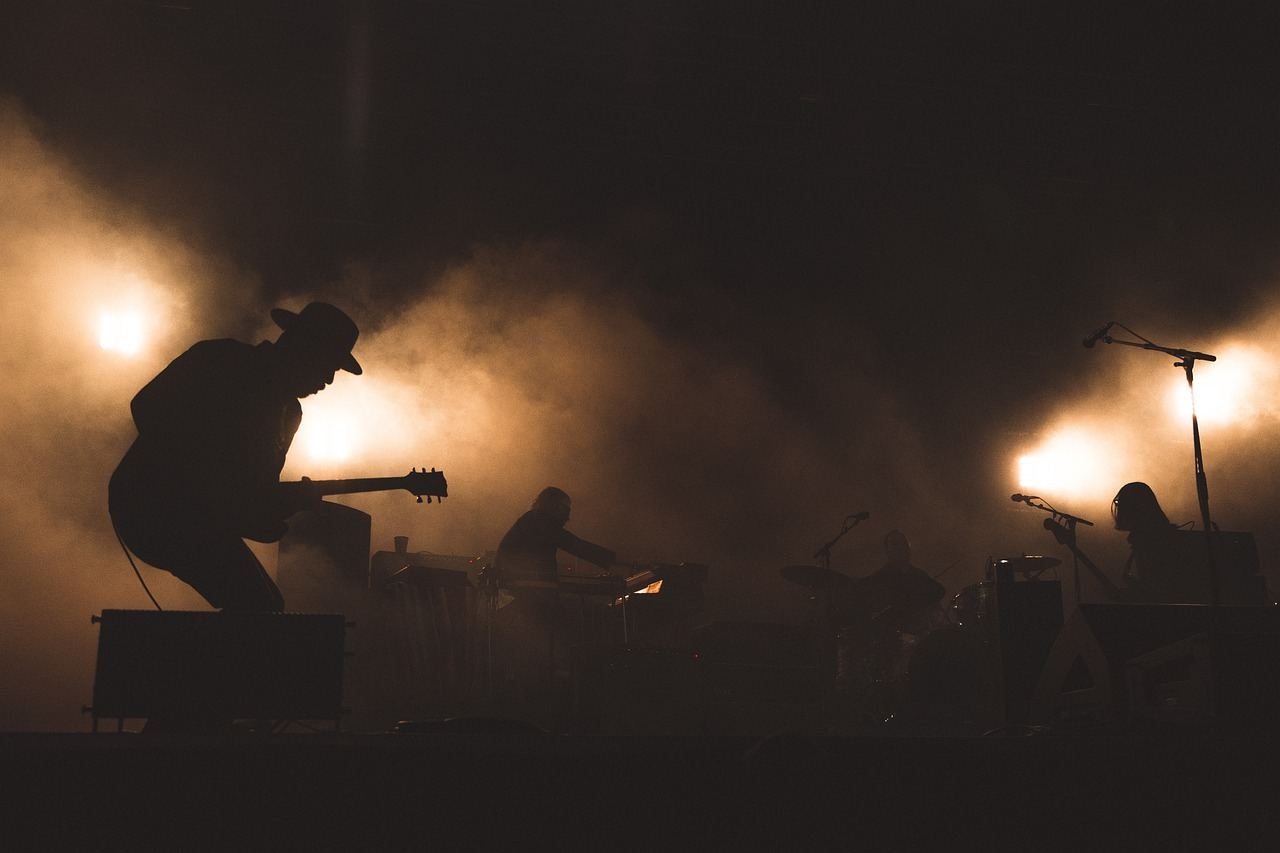
Planning continues with the set list. Wikipedia’s set list article describes it as typically a handwritten or printed document created as an ordered list of songs, jokes, stories and other elements an artist intends to present during a specific performance. For an opener the list is usually short and carefully ordered, because a support slot is a limited window to make an impression.
What it means for people in the audience
For concert-goers, the main lesson is that the posted start time on a ticket can describe different things. Some listings show when the doors open, and others show when the first act is due on stage. The event page for the specific venue is the reliable place to check, and the order of acts can differ from one show to the next.
Anyone who wants to catch the whole evening should plan to arrive while the support set is still ahead. That is especially true at open-air shows, where sun, weather and seating choices affect comfort; the advice in the outdoor concert tips guide applies to a long evening with several acts.
Arriving late is not wrong, but it means skipping the part of the night that exists to introduce the room to something new. People who prefer to see only the headliner can plan around that, while those who enjoy discovering new artists often treat the opener as the highlight.
Frequently asked questions
Is an opening act the same as a support act?
Show answer
Yes, in everyday use. Wikipedia lists support act, supporting act, warm-up act and opener as other names for an opening act.
Does the opening act always play before the headliner?
Show answer
That is the normal order, which is the reason for the name. Occasional exceptions exist, such as a joint closing performance, but a listing that names a headliner and a support act expects the support group to go on first.
Why are opening acts often newer groups?
Show answer
The slot suits groups still building a following, and it gives them a live audience they might not otherwise reach. The practice is described on the opening act page.
Can the opening act change during a tour?
Show answer
Yes, a tour can switch support groups as it moves between regions, which the concert tour article describes in terms of legs.
Do comedians ever open for music acts?
Show answer
Occasionally, though it is less common than a musical opener.