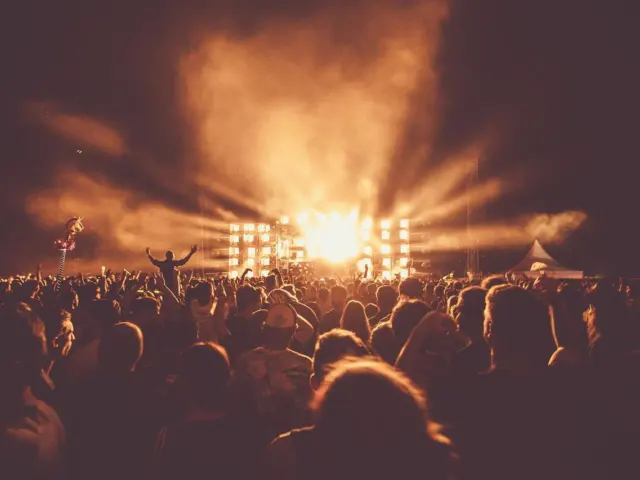
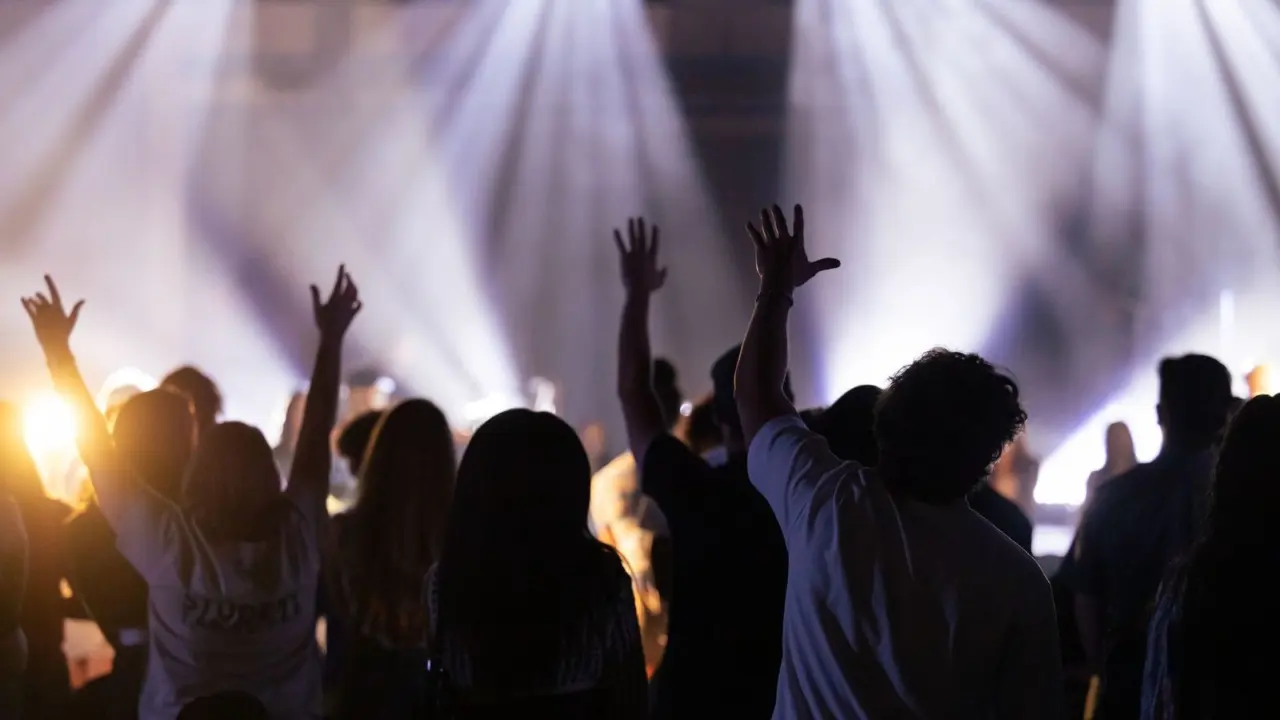
How to go to a concert comes down to a short chain of decisions: pick the show, buy a ticket from a trustworthy seller, plan the journey, pack sensibly and look after your hearing once the music starts.
This guide is the starting point for the concert topic on this independent information site. It is not connected to any band, venue, promoter or ticketing company, and it does not sell tickets or merchandise. Each section below gives the overview and points to a deeper article on one part of the night.
Choosing a show and understanding the bill
Most first-time concert-goers start with an artist they already know. That is a fine reason to go, but it helps to read the whole bill before buying. The article on what is an opening act explains how support slots are filled and why arriving for the first set can be worthwhile.
Curiosity is also a good guide. Smaller rooms often put several emerging artists on the same night, and a ticket for a little-known name can be an inexpensive way to hear new music. Readers who are unsure how independent artists differ from major-label acts will find the background in the guide on what is an indie band, which covers how independent music is made and released.
Before committing, a few simple questions are worth answering. What kind of room is it: a standing club, a seated theatre, an outdoor amphitheatre or a stadium? Is the show open to all ages or restricted to adults? Does the event run on a fixed schedule with doors, support and headliner times, or is it a loose evening with several acts? The answers decide almost everything that follows, from what to wear to how early to leave home.
It also helps to understand why touring artists play the cities and rooms they do. Routing, booking and logistics all play a part, and the explainer on how a band tour works walks through that behind-the-scenes process for curious fans.
Buying tickets without getting caught out
Tickets are the part of concert planning where mistakes are most expensive. Demand for popular shows can outrun supply within minutes, and that pressure is exactly what scammers and speculative resellers rely on. The sensible habit is to begin at the venue or artist page, which normally links to the authorised seller, rather than following a search advertisement or a message from a stranger.
A few warning signs recur. A seller who asks for payment by an irreversible method, a listing with no seat or section details, a price far below every other listing and a sudden request to move the conversation to a private chat are all reasons to stop. A ticket that is sent as a loose screenshot is also easier to duplicate than one delivered through the seller account, so a delivery method tied to a named account is generally safer. The full checklist is in the article on how to buy concert tickets safely, including what to do if a purchase goes wrong.
The advertised price is not always the final price. Service charges, facility charges and delivery fees can be added at different stages of checkout, and the total can look quite different from the first number a buyer sees. Comparing the all-in total across sellers, and reading the checkout page before entering payment details, avoids unpleasant surprises. The breakdown in concert ticket fees explained describes the usual categories and what each one is meant to cover.
Seating type is the other big decision. A standing floor offers closeness and energy but no guaranteed view or place to rest. An assigned seat offers a fixed spot, a clearer sightline and a place to sit through long sets, usually at a different price. The trade-offs are laid out in the comparison of general admission vs reserved seating, which also covers how queueing and early arrival work for standing shows.
Finally, ticket purchases are a good moment to think about the rest of the group. Buying together, on the same account or at least in the same checkout, makes it easier to sit together and to enter together. Saving a copy of the ticket in a wallet app, charging the phone and carrying a small backup battery are cheap protections.

Planning the journey, the arrival and the exit
Getting to the venue is easiest to solve before the day itself. In a large, car-centred city, travel time on show nights can be much longer than the same trip on an ordinary evening, because very large crowds are heading to the same place at the same time. Leaving early, choosing a route in advance and deciding how the return trip will work protect the night from the most common source of stress.
Public transport is one practical option in Los Angeles. The county transit agency publishes a rider guide that explains that riders can pay with a TAP card, a credit or debit card, Apple Wallet or, on buses, cash at the time of writing, and that transfers are free when riders tap to ride. Fares, caps and routes change over time, so the agency page is the place to confirm the current details before travelling.
Parking, rideshare and walking all work differently around each room. A theatre in a dense neighbourhood may have little parking and a long walk from the nearest lot, while a hillside amphitheatre may rely on shuttles. The city guide to live music in los angeles introduces the main venues and shows how different the rooms can feel, which is useful context for choosing a travel plan.
On the night, timing matters in two directions. Doors usually open well before the headliner, which leaves time for a queue, a security check, a drink and a look around the room. Support acts often begin soon after doors, so arriving at the very start of the evening is the only way to hear them. At the end of the night, large crowds leave at once, and a short wait inside the venue, or a walk to a quieter pick-up point, can save a long wait in traffic.
A short pre-departure routine helps. Confirm the doors time and the age policy, check the weather, screenshot the ticket, note where friends will meet if the group is separated and agree in advance how everyone will get home. Phone signal can fail inside packed rooms and around crowded outdoor venues, so a meeting point named in advance is more reliable than a message sent from the crowd.
What to bring and what to leave at home
Venue security rules are the main constraint on packing, and they vary from room to room. The detailed checklist is in the guide to what to bring to a concert, and the general principle is simple: carry less than seems necessary, because every item has to be carried, guarded and possibly checked.
A concrete example shows how specific the rules can be. The house rules of one large Los Angeles outdoor venue state that bags do not need to be clear but must be able to fit under the seat, that the venue does not provide storage for prohibited items, and that umbrellas and luggage are not allowed. Those rules are specific to that venue at the time of writing, and another room may take a very different approach, so the venue page for the actual show is the one to read.
The essentials are the same almost everywhere: the ticket, photo identification where required, a payment method, a phone and a small amount of personal medicine if needed. Comfortable shoes matter more than most people expect, because concerts involve a lot of standing and walking. Layers are useful in rooms that swing between hot crowds and cold air conditioning, and a small, empty reusable bottle is helpful where the venue allows water to be refilled.
Things to leave behind are usually obvious once a venue rule list has been read: large bags, bulky camera gear, anything that could be treated as a weapon and any item the venue has banned by name. Valuables are best kept to a minimum. A crowded standing floor is a poor place for a spare laptop, a heavy backpack or a fragile instrument.
Protecting your hearing at loud shows
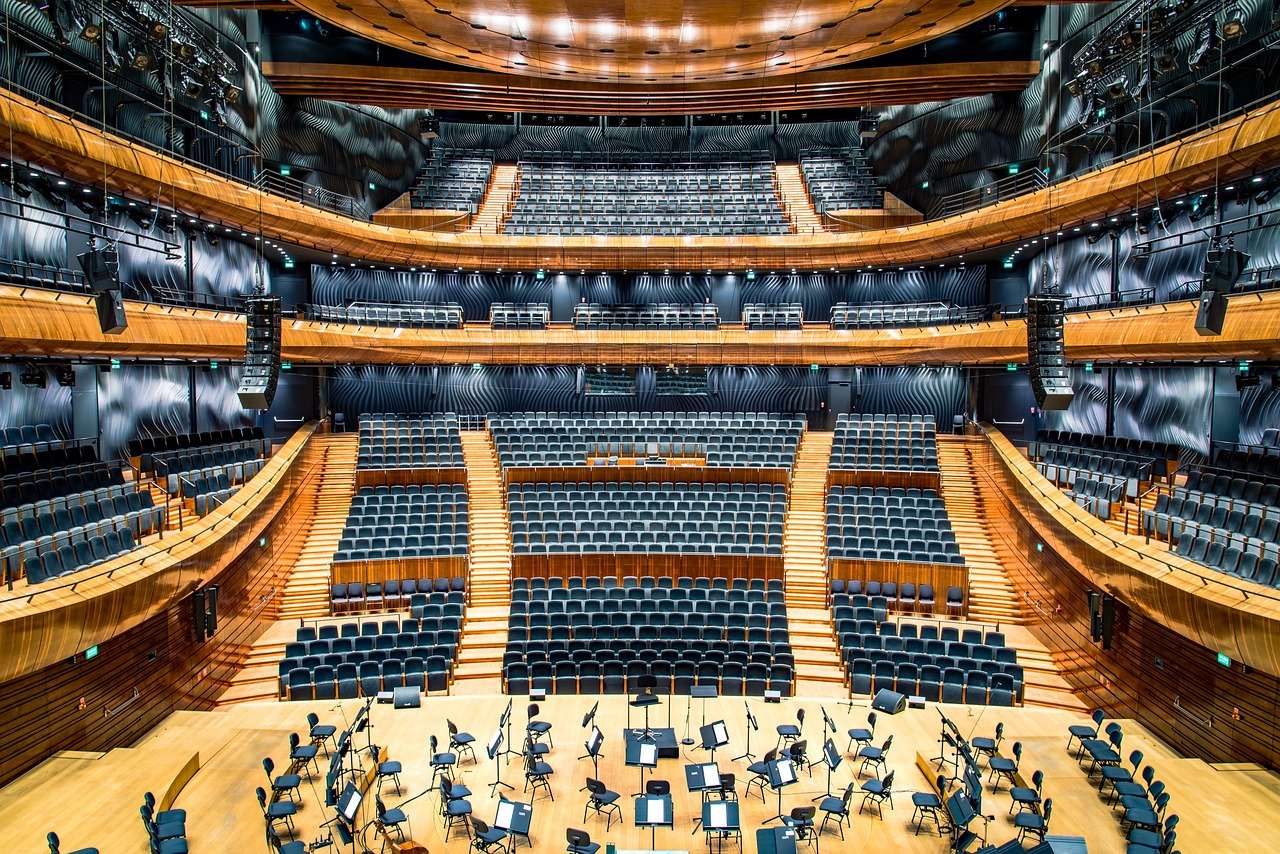
Live amplified music can be loud enough to affect hearing, especially close to the speakers and over a long night. The US National Institute on Deafness and Other Communication Disorders lists attending loud concerts among the common sources of noise that can damage hearing, and notes that distance from the source and the length of exposure are both important factors. In practical terms, standing further from the stage speakers and taking breaks in a quieter part of the venue both reduce exposure.
The same institute recommends that people wear earplugs or other protective devices when involved in a loud activity. The World Health Organization also lists safe listening strategies for the reduction of exposure to loud sounds in recreational settings among its recommended measures for preventing hearing loss.
Ringing in the ears after a show, or muffled sound the next morning, is a sign that the ears have been stressed. The article on concert ear protection covers the types of earplugs, how to fit them and what to do after a loud night. This section is general information rather than medical advice, and anyone with hearing concerns, or with ringing that does not settle, should see an audiologist or doctor.
Outdoor venues and comfort on the day
Outdoor concerts add a layer of planning that indoor shows do not need. Sun, heat, wind, cold evenings and sometimes rain all affect how comfortable a long evening is. Sunscreen and a hat suit an early arrival, a warm layer suits a late finish and sensible footwear suits uneven ground. The article on outdoor concert tips goes through weather, sun and comfort in more detail, including how to handle shade, water and long waits.
Whatever the venue, a few shared habits make the experience better for everybody. Standing still in a spot that does not block the view of people behind, keeping phone screens low and bright lights to a minimum during quiet songs, and treating staff and neighbours politely all help.
Photography and recording rules are also venue-specific. The posted house rules of the venue are the authority, and the safe approach is to enjoy the music first and capture a short clip second.
Hydration, food and rest deserve a little forethought too. A long standing show with no meal beforehand can leave anyone light-headed, and alcohol on an empty stomach in a hot, crowded room makes that worse. Knowing where the water points, first-aid station and exits are takes only a moment on arrival and is a sensible habit at any large event.

A simple checklist for the week of the show
Putting the pieces together, a calm concert night usually follows a simple order. Early in the process come the choice of show, the purchase from a trusted seller and a quick look at seating and fees. A few days before, the venue rules, the travel plan and the packing list are worth reviewing. On the day itself, charging the phone, eating beforehand, leaving early and carrying earplugs round off the preparation.
- Read the whole bill, including the support acts and the doors time.
- Buy from the venue-linked seller and compare the all-in total before paying.
- Decide between standing and seated, and plan the arrival to match.
- Choose the route and the return trip in advance.
- Read the venue bag and camera rules, then pack light.
- Bring earplugs and take breaks away from the speakers.
- Agree a meeting point and a way home with the group.
None of this needs to take long. After the first few shows, most of it becomes habit, and the planning shifts from checking rules to simply enjoying the evening.
Accessibility is worth raising early rather than on the day. Venues generally publish information on step-free entrances, accessible seating and companion arrangements, and these often need to be requested through the seller before the show. Anyone who needs a seat with extra space, a quieter spot or a path without stairs should read the venue accessibility page while tickets are still available, because the best options tend to go first.
Money is the last practical detail. Beyond the ticket, a night out can include travel, food, drinks, parking and merchandise, and these costs add up quickly. Setting a rough budget beforehand, and deciding in advance whether to buy a shirt or record at the merchandise stand, keeps the evening enjoyable rather than stressful.
Frequently asked questions
How early should I arrive at a concert?
Show answer
Doors usually open well before the headliner, and support acts often begin soon after. Arriving near doors time leaves room for a queue, a security check and a first look at the room, and it is the only way to catch the opening set.
Is it better to stand or sit at a concert?
Show answer
It depends on the priorities. Standing floors give closeness and energy but no guaranteed view or place to rest, while assigned seats give a fixed spot and a place to sit during long sets.
Do I need earplugs at a concert?
Show answer
Public health bodies recommend protective devices around loud activity, and live amplified music is a common source of loud noise. Earplugs made for music lower volume while keeping sound fairly clear, and anyone with hearing concerns should see an audiologist or doctor.
What happens if a venue will not let a bag in?
Show answer
Reading the venue rules before leaving home avoids the problem.
Can anyone go to a concert alone?
Show answer
Yes. Sharing the plan, the meeting point and the route home with a friend is still a sensible precaution.