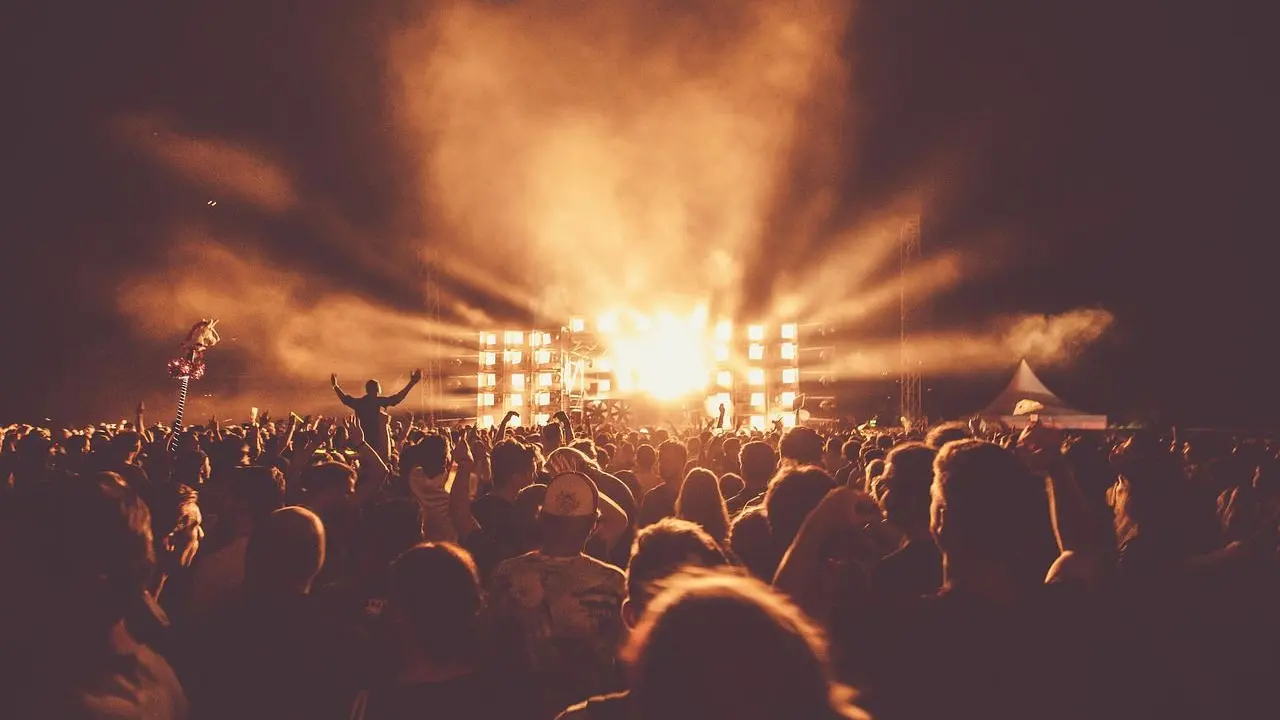
Outdoor concert tips come down to planning for sun, heat, weather and a long stretch on your feet. Preparing for the conditions, not only the lineup, keeps an open-air show enjoyable from the first song to the last.
This guide covers the weather-related side of attending an open-air show. For the wider picture, including tickets and timing, see the guide on how to go to a concert. It is general information, not medical advice.
Check the forecast and have a storm plan
Open-air venues have no roof, so the forecast matters more than it does for an indoor club. Look at the temperature, the cloud cover and the chance of thunderstorms on the day, and check again shortly before you leave home. Venue and ticketing pages usually state how weather delays and cancellations are handled, and these terms vary, so read them before you travel. Ticket charges are a separate matter, covered in the guide to concert ticket fees explained.
Lightning is the one hazard that should end any argument about staying put. The National Weather Service states that there is no safe place outside when thunderstorms are in the area, and its slogan is “When Thunder Roars, Go Indoors”. Its guidance for outdoor groups is to make sure the group has a lightning safety plan and is ready to use it. For a concert, that means agreeing in advance where your car or the nearest sturdy building is, and following the venue’s announcements if a show pauses.
Sun protection for a long show
Concerts often start in the afternoon and run into the evening, which means hours in direct sun. The CDC notes that UV rays are strongest from 10 a.m. to 4 p.m. daylight saving time, and that UV rays can reach you on cloudy and cool days as well. A hazy sky is not a reason to skip protection.
The American Academy of Dermatology recommends a sunscreen with an SPF of 30 or higher that is water resistant and provides broad-spectrum coverage. The same page says it takes approximately 15 minutes for the skin to absorb sunscreen, so apply it before you queue at the gate rather than after you find your spot. It also advises to reapply every two hours and immediately after sweating, which is easy to forget in a crowd, so a phone reminder helps.
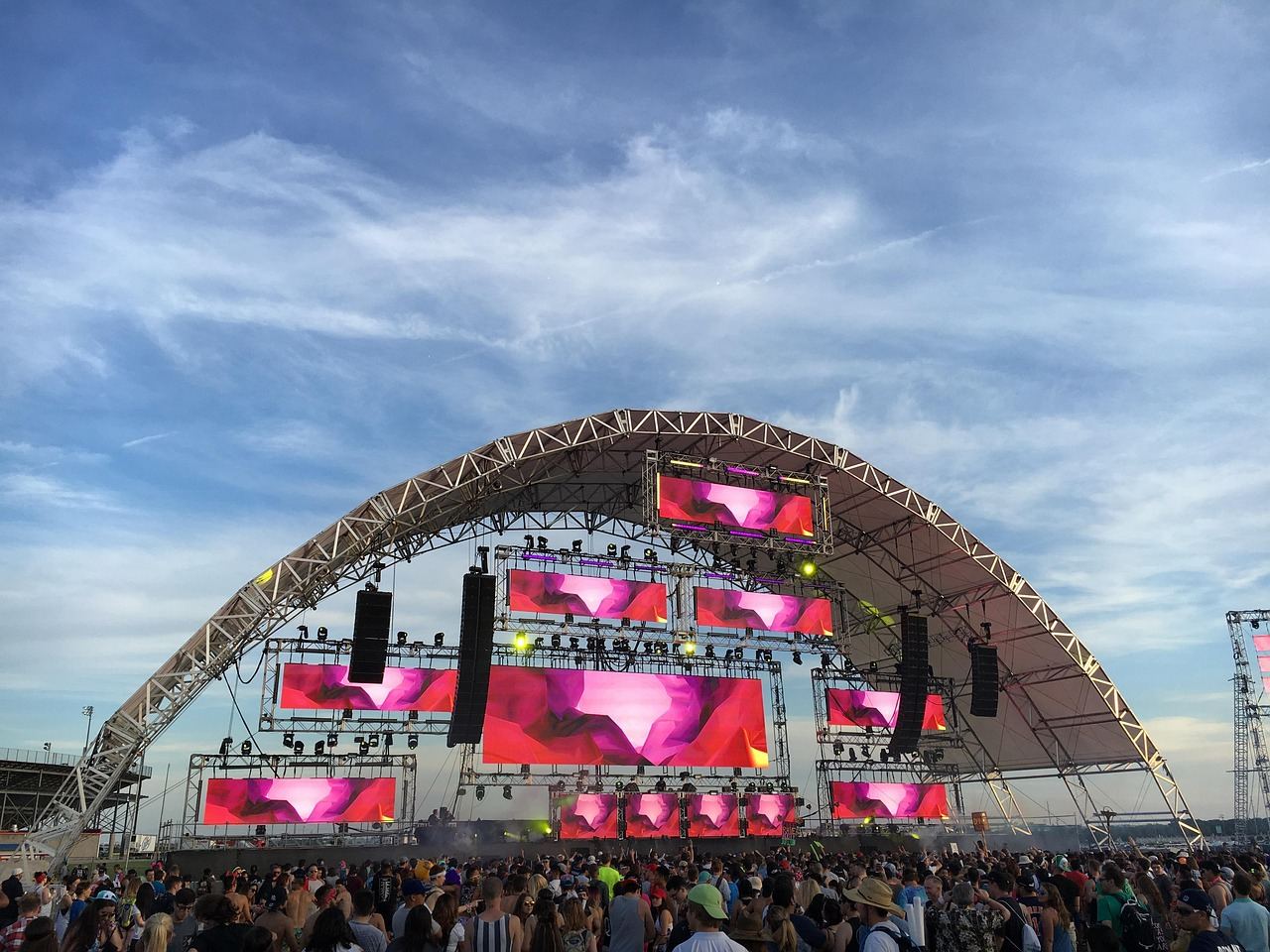
The EPA explains that a high UV index calls for extra care: if your shadow is shorter than you, seek shade, and wear protective clothing, a wide-brimmed hat and sunglasses. A hat and sunglasses are usually allowed at outdoor venues, but check the venue’s policy on larger items such as umbrellas before packing them.
- UV on cloudy days: cloudy and cool days
- Absorb time: 15 minutes
- Reapply interval: two hours
- Shadow rule: shadow shorter than you
- No safe place outside: no safe place
Staying cool and hydrated
Standing in the sun for hours, often with a crowd around you, makes overheating a real risk. The CDC advises to stay in the shade as much as possible and take breaks when you can. At a festival-style event, that can mean stepping to the edge of the crowd or into a shaded area between acts.
On drinking, the CDC suggests you carry a water bottle and refill it throughout the day, and it lists urine color as a simple check. Alcohol, caffeine and sugary drinks can work against you on a hot day, and the CDC suggests limiting beverages high in sugars and sodium, caffeine, and alcohol.
Know the warning signs of overheating, including cramps, dizziness, headaches, nausea and unusually heavy sweating. The CDC says to know the symptoms of your body overheating and know when to seek medical care. If you feel unwell, find the first aid station and tell staff. People who take regular medication should note the CDC’s point that many medicines can make you dehydrated or overheated on hot days, and should ask a doctor or pharmacist if unsure. The National Weather Service adds that young children and infants are particularly vulnerable to heat-related illness, so families need extra breaks and shade.
Comfort on the ground, in the seats and after dark
Comfort at an open-air show is mostly about what you wear and where you stand or sit. Light, breathable clothing helps in the afternoon, but temperatures often fall after sunset, so a packable layer is worth carrying. Closed, supportive shoes are better than sandals on grass, gravel or crowded steps, and a small bag is easier to manage than a large one. Venues set their own bag and seating rules, so read the rules for your venue before you pack.
At festivals and general admission lawns, the ground itself can be a problem. Dry grass can be dusty and wet grass can turn to mud, so shoes you do not mind getting dirty make sense. Arrive early enough to find a good spot without rushing, and plan how you will leave, because large crowds exit at the same time.
Food and shade are worth planning too. Take a short walk between sets when you can, to loosen your legs and cool down. Keep your phone charged, agree on a meeting point with your group in case signal is poor in a crowd, and save the plan for getting home before the final song, because exit routes and transport fill quickly.
If the bill includes several acts, the timing matters too. Knowing what is an opening act helps you judge when the main set is likely to start, so you can time your meals, water breaks and sun exposure around the acts you most want to see.
Protecting your hearing outdoors
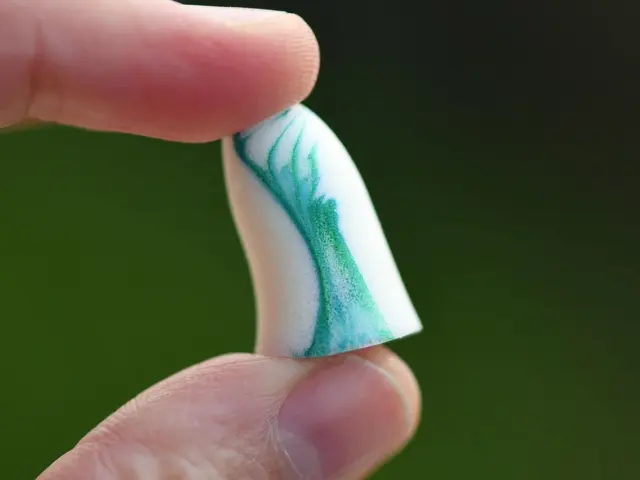
Open air does not make music safe for the ears. The National Institute on Deafness and Other Communication Disorders lists attending loud concerts among the activities that can put you at risk for noise-induced hearing loss. It also notes that sounds at or below 70 A-weighted decibels, even after long exposure, are unlikely to cause hearing loss.
The same page advises to wear earplugs or other protective devices when involved in a loud activity. Standing farther from the speakers is another easy step. Anyone with ongoing ringing in the ears or other hearing concerns should see an audiologist or doctor.
Frequently asked questions
What should I do if there is lightning during an outdoor concert?
Show answer
Follow the venue’s instructions and move to a safe building or vehicle. The National Weather Service says the only completely safe action is to get inside a safe building or vehicle.
Do I need sunscreen if the sky is cloudy?
Show answer
Yes. The CDC says UV rays can reach you on cloudy and cool days, so protection still matters at an overcast show.
How can I tell if I am drinking enough water?
Show answer
The CDC suggests checking urine color as a guide, and says drinking water on hot days can help keep you hydrated whatever your activity level. A person with a medical condition should follow their doctor’s advice.
Should I wear earplugs at an outdoor show?
Show answer
Many people do. The NIDCD recommends wearing earplugs or other protective devices when involved in a loud activity. Anyone worried about their hearing should see an audiologist or doctor.