To buy concert tickets safely, start at the official seller named by the artist or venue, pay with a protected method, and be wary of anything that arrives as a screenshot or a rushed private message. Most ticket scams rely on urgency.
This guide covers where tickets come from, how resale works, the warning signs of fakes and the steps that cut risk. It is one part of a wider look at how to go to a concert, and it is general information rather than legal or financial advice.
Why tickets sell out so quickly
Popular shows often have fewer seats than interested fans. The Federal Trade Commission (FTC) notes that sometimes there just are not enough tickets available for everyone who wants to attend an event, especially if promoters save tickets for artists and other VIPs.
To spread tickets more fairly, ticket issuers often limit the number of tickets a person can buy to one event. The same FTC alert says they might mask a real IP address, use multiple accounts or use software programs, sometimes called bots, to buy large quantities at face value and resell them for a profit.
That behaviour is the target of the Better Online Ticket Sales (BOTS) Act. According to the FTC, Congress passed the Better Online Ticket Sales (BOTS) Act to address these problems.
Start with the official sale
The safest first step is to learn how and where tickets are really being sold. The FTC advises that you should look for opportunities to buy tickets before they go on sale to the public, such as newsletters and alerts from ticket sellers, artists or venues. Creating an account with the ticket seller ahead of time means you are ready the moment sales open.
A venue or artist website is the best place to find the correct seller. Links on those pages lead to the authorised outlet, which avoids lookalike sites. Checking the official channels also tells you whether a presale exists, such as the credit card promotions the FTC mentions in the same guidance.
Patience can help too. The same FTC alert says the promoters might make more tickets available after the initial release or add another show, so a missed on-sale is not always final.
Spotting scams before you pay
Ticket fraud tends to follow a few patterns. In its guidance for a major sporting event, the FTC warns: Watch for copycat websites. Fraudsters use paid search results or social media to drive you to their scam websites.
The same advice applies to concerts. Be cautious in these situations:
- A search result at the top of the page is not proof of legitimacy, because sponsored results can be bought.
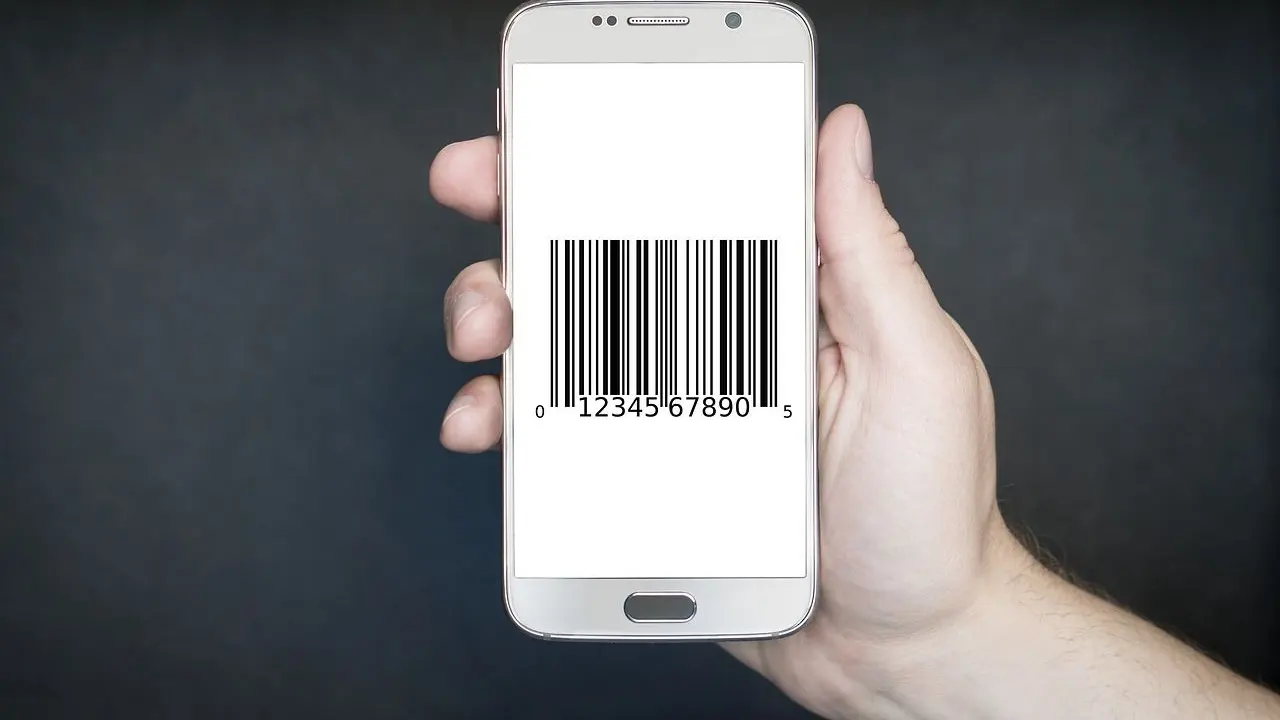
- A seller offers paper tickets or a screenshot when the venue delivers tickets through an app. The FTC says that someone selling paper tickets or a screenshot is likely a scammer when tickets are delivered electronically.
- A stranger on social media pushes you to pay quickly, or moves the conversation to a private chat.
- A listing promises a guarantee that no real seller could honour before tickets exist.
A screenshot can be copied and sent to many buyers, while a ticket inside a venue or ticketing app is tied to an account. If a transfer feature exists, a genuine seller can usually use it.
Timing pressure is a common tactic. A message that says only a few seats remain, or that a deal vanishes within minutes, is meant to stop you from checking. Pausing to open the venue page in a separate browser tab costs very little and often settles the question.
It also helps to look closely at the web address. Lookalike sites sometimes swap a letter or add extra words to a familiar name. Typing the venue or ticket seller address yourself, or following a link from the artist page, is safer than clicking an advertisement or an unsolicited message.
Paying in a way that protects you
How you pay matters as much as who you pay. The FTC says: Don’t pay anyone who says you can only pay with wire transfers, gift cards, or cryptocurrency. The same page explains that if you pay that way and there is a problem, you will lose your money, and there is likely no way to track it or get it back.
A credit card generally keeps a path open to dispute a charge. Card terms vary, so the card issuer is the place to confirm what protection applies. Keep screenshots of the listing, the seller name and the receipt until the event has taken place.
Buying resale tickets with care
Resale is legitimate when it goes through a platform with clear terms. The FTC suggests that if you are considering a third-party reseller, check out their policies to see what buyer protections or guarantees they offer. It lists questions worth answering before paying: how and when the tickets arrive, and whether the platform helps with replacement tickets or a refund if something goes wrong.
Read the order page closely before confirming. The FTC travel guidance also advises that you should make sure you know whether you are buying a ticket or just making a reservation, which is a useful reminder that the wording of a listing can hide what is actually on offer.
After you buy
Treat the order as unfinished until the ticket is in your account or wallet. If an email says tickets will arrive later, note the promised date and follow up through the platform before the event rather than on the day.
Once the order is complete, store the confirmation and save the ticket to your phone wallet if the seller offers it. Confirm the entry time, bag rules and any age limit on the venue site, since these rules vary by place; the guide on what to bring to a concert covers the practical side.
If you are travelling to see an act on the road, understanding how a band tour works helps explain why dates and venues are announced in stages, which gives scammers room to advertise shows that do not exist yet. Confirm any new date on the artist or venue page first.
If you believe a seller broke the rules, report it. The FTC says that if you think a ticket broker is not playing by the rules, report it to the FTC at ReportFraud.ftc.gov.
Frequently asked questions
Is a screenshot of a ticket ever safe to buy?
Show answer
It is a poor sign when the venue uses app delivery. A screenshot can be sent to many buyers at once, and the FTC says a seller offering one for an app-based event is likely a scammer.
Which payment methods are riskiest?
Show answer
Wire transfers, gift cards and cryptocurrency. The FTC says there is likely no way to track or recover money sent this way if something goes wrong.
Are resale sites always unsafe?
Show answer
No. The FTC advice is to read each platform’s policies, check what guarantees it offers and ask how tickets are delivered and what happens if there is a problem.
Where can a suspected ticket scam be reported?
Show answer
The FTC invites reports at ReportFraud.ftc.gov, including reports about brokers that may be breaking the rules.