

How a band tour works comes down to a chain of planned shows: a route linking cities, venues booked in advance, a crew and vehicle to move equipment, and a daily schedule that repeats from load-in to load-out.
Understanding that chain also helps fans who want to know how to go to a concert and see what happens behind the stage door before the lights go down.
Routing: turning a map into a run of dates
A tour starts as a map problem. Promoters and booking agents look for a sequence of cities that keeps the distance between shows manageable, so the band spends its energy on stage rather than on the highway. Routes usually move in a loose loop or a line, and avoid doubling back across a region because every extra mile adds fuel, time and fatigue.
Several things shape the order of dates. Venue availability is the biggest, since a hall may already hold another event on the ideal night. Local demand matters as well: a band with a strong following in one metropolitan area may play a larger room there and smaller rooms in cities where the audience is still growing. Holidays, local festivals and weather can all push a date earlier or later, and outdoor venues are often only in season for part of the year.
Routing also has to respect the rules of the road for the people driving. In the United States, federal regulations for passenger-carrying commercial vehicles say a driver may not drive more than 10 hours following 8 consecutive hours off duty, which is one reason a tour schedule cannot simply chain very long overnight drives together. Planners build in shorter hops, or add a day off, whenever two cities sit too far apart.
Booking: agents, promoters and venues
Few bands book every date themselves once a tour grows beyond a handful of shows. A booking agent represents the band to promoters and venues, proposes dates and negotiates the terms of each show. A promoter, in turn, takes on the financial risk of presenting the event in a city: renting the venue, advertising the date and paying the performers under the agreed deal.
Deals differ from show to show. Small independent tours often run on simple arrangements with local clubs, while larger tours sit inside detailed contracts that list load-in times, technical requirements, catering and the length of the set.
The support lineup is part of the same puzzle. A headliner may choose to bring a touring support band, or leave the early slot to a local act in each city. The role of those earlier performers is covered in what is an opening act, which explains how support slots are filled and why they matter to both bands and audiences.
Tickets and announcements
Once dates are confirmed, the tour is announced and tickets go on sale. The timing is part of the marketing plan: an announcement in one city is often staggered with others so that news coverage and social media posts keep the tour in view for weeks rather than a single day.
For fans, the practical point is to buy from the seller named by the venue or the band, since resale scams tend to appear as soon as a popular tour is announced. A separate guide explains how to buy concert tickets safely, including how to recognise an authorised seller.
Crew, vehicles and equipment
Behind every performer on stage is a smaller team that keeps the show moving. A typical touring party can include a tour manager, who handles the schedule, money and communication with venues; a sound engineer, who mixes the show for the audience; a lighting or stage technician; and a driver. Smaller bands often combine several jobs, with a member acting as driver, merchandise seller and social media manager in the same week.
The vehicle depends on the size of the operation. Independent acts commonly travel in a van with a trailer for amplifiers and drums. Bigger productions use a tour bus for people and a separate truck for staging and lighting. In every case, packing is a skill: instruments and cables are loaded in a set order so that the equipment needed first at the next venue comes off first.
Travel across borders adds paperwork. The US immigration service notes that a petition for a performer on a visa for people of extraordinary ability must establish that there are events or activities in the field for the period requested, such as an itinerary for a tour or a series of events. In practice that means a foreign band needs its route and dates settled well before it arrives, along with the right work authorisation for each member of the party.
A typical show day
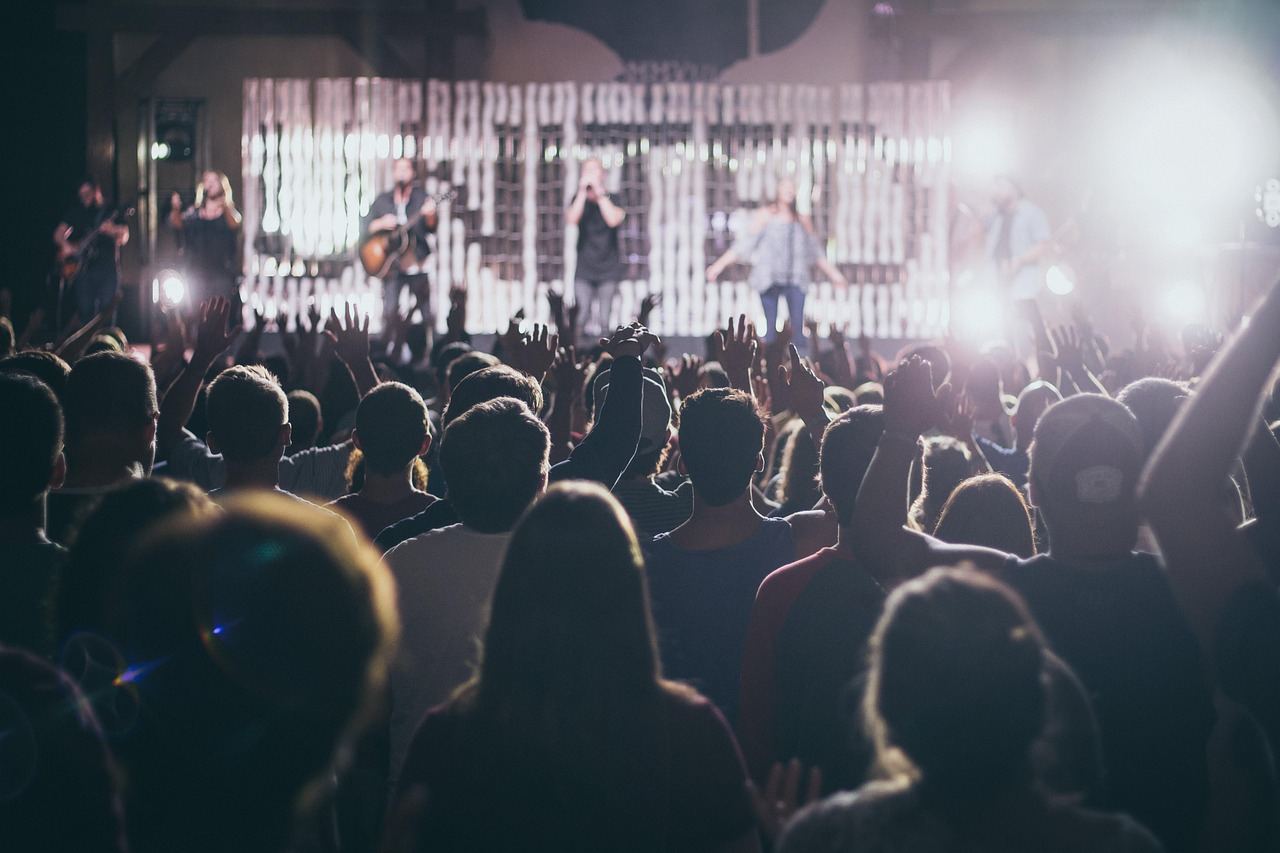
Whatever the size of the tour, the day follows a rhythm. The crew arrives at the venue and unloads in the afternoon, a step known as load-in. Next comes the soundcheck, when the band plays a few songs while the engineer sets levels for the stage monitors and the main speakers. After that there is usually a meal, time to rest and a short window for interviews or setting up the merchandise table.
Doors open to the public in the evening, often with a support act first. The headliner plays, then the process reverses: the crew packs the stage, loads the vehicle and, if the schedule demands it, drives to the next city that same night. Sleep happens in a bus bunk, a shared hotel room or a borrowed floor, depending on the budget. The repetitive structure is what lets a tour run on time even when the cities, rooms and local staff keep changing.
Merchandise and the money side
Ticket income is only part of a tour budget. Costs include fuel, vehicle rental or maintenance, lodging, food, crew wages, insurance and equipment repairs. Shirts, posters, stickers and records are the usual stock, and some venues take a percentage of sales as a fee for the table space, which is agreed in advance.
Merchandise is a topic of its own, with decisions about what to produce, how much stock to carry and how to handle sales tax. Tour budgets also need a cushion for the unexpected, from a broken van to a cancelled date, which is why careful planners keep a reserve and track spending daily. This is general information about how touring is organised rather than financial advice for any particular act.
What fans can take from all this
Seeing the structure of a tour changes how a show looks from the audience. A short soundcheck delay is usually a sign that the crew is working through a tight schedule, and an early curfew often reflects the venue agreement rather than the band. Arriving on time for the support act is also a way of supporting the whole touring operation, since smaller acts depend on a decent crowd early in the night.
Frequently asked questions
How far ahead are tours planned?
Show answer
Planning usually begins months before the first show, because venues and routes need to be confirmed before any public announcement. Smaller tours can come together faster, while large productions plan over a longer period.
Who pays for a band tour?
Show answer
Costs are covered by a mix of show fees, ticket revenue, merchandise sales and sometimes support from a label or promoter. Independent bands often fund travel themselves and recover it through the shows.
Do bands play every night of a tour?
Show answer
Not always. Planners add days off to rest, handle long drives and cover travel rules for drivers, and a day off may also serve as a buffer if a show needs rescheduling.
What does a tour manager do?
Show answer
A tour manager coordinates the schedule, handles payments and paperwork, communicates with each venue and makes sure the party reaches every show on time.