
Live music in Los Angeles ranges from small club rooms to hillside amphitheaters and architect-designed concert halls, spread across a city where getting around is part of the experience.
This guide is the starting point for the city on this independent information site, and each section points to a deeper article on one part of the scene.
How the Los Angeles live music scene is organised
Hillside outdoor stages sit in the hills north of Hollywood and in Griffith Park. Historic theatres line the boulevards of Hollywood and the Mid-Wilshire corridor. Classical and large-ensemble performances gather around Grand Avenue downtown. Club rooms for emerging bands sit mostly in West Hollywood and Hollywood.
For a newcomer, it helps to think in three layers. The large outdoor and concert-hall venues host orchestras, major touring acts and seasonal programmes. The small clubs are where local and developing acts build an audience, often on bills with several performers in a single night. Understanding which layer a show belongs to tells you most of what you need to know about what the evening will feel like: how close the stage is, how long the night runs, and how much planning the trip deserves.
If the terminology is unfamiliar, the guide to what is an indie band explains what independence means in practice for a working group and why it shapes the kind of shows a city like this produces.
Each publishes its own rules on bags, re-entry, accessibility and parking, and those rules change. This site is independent and is not affiliated with any venue, band, promoter or ticketing company, so the venue’s own page is always the final word on policy for a given date.
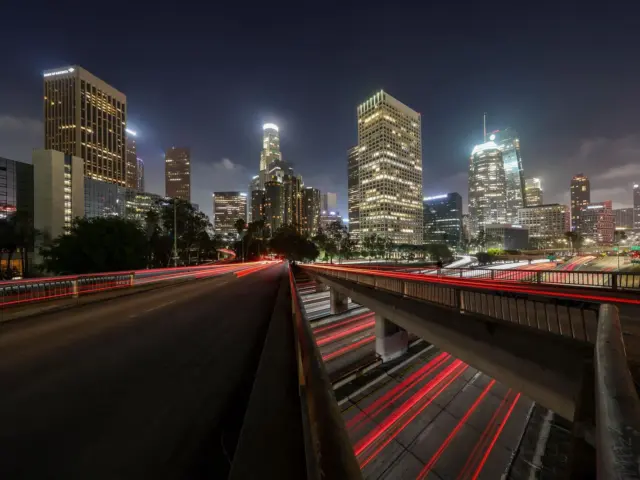
The city’s geography shapes the culture around the music as well. Because the metropolitan area is so spread out, a typical concert evening involves a deliberate trip rather than a casual stroll between bars. Fans often choose a venue by its neighbourhood as much as by the act on stage, and plan food, parking and the journey home around it. Local bands, in turn, learn to play across the whole map, from a club in a northern district to a theatre across town, and audiences follow them.
Seasons matter too. Warm evenings bring outdoor programmes to the hillside stages, while indoor halls and theatres carry the calendar through cooler months. A fan who wants variety can usually find something to attend on almost any night of the week, from a quiet acoustic set in a small room to a full orchestra in a hall built for sound.
What follows is a map of that scene rather than a ranking of it. There is no attempt here to say which venue is best, because the right room depends on the act, the budget and the kind of evening wanted. Instead, each section explains what type of place it is, how it works and where to find the venue’s own information.
The big outdoor and concert-hall venues
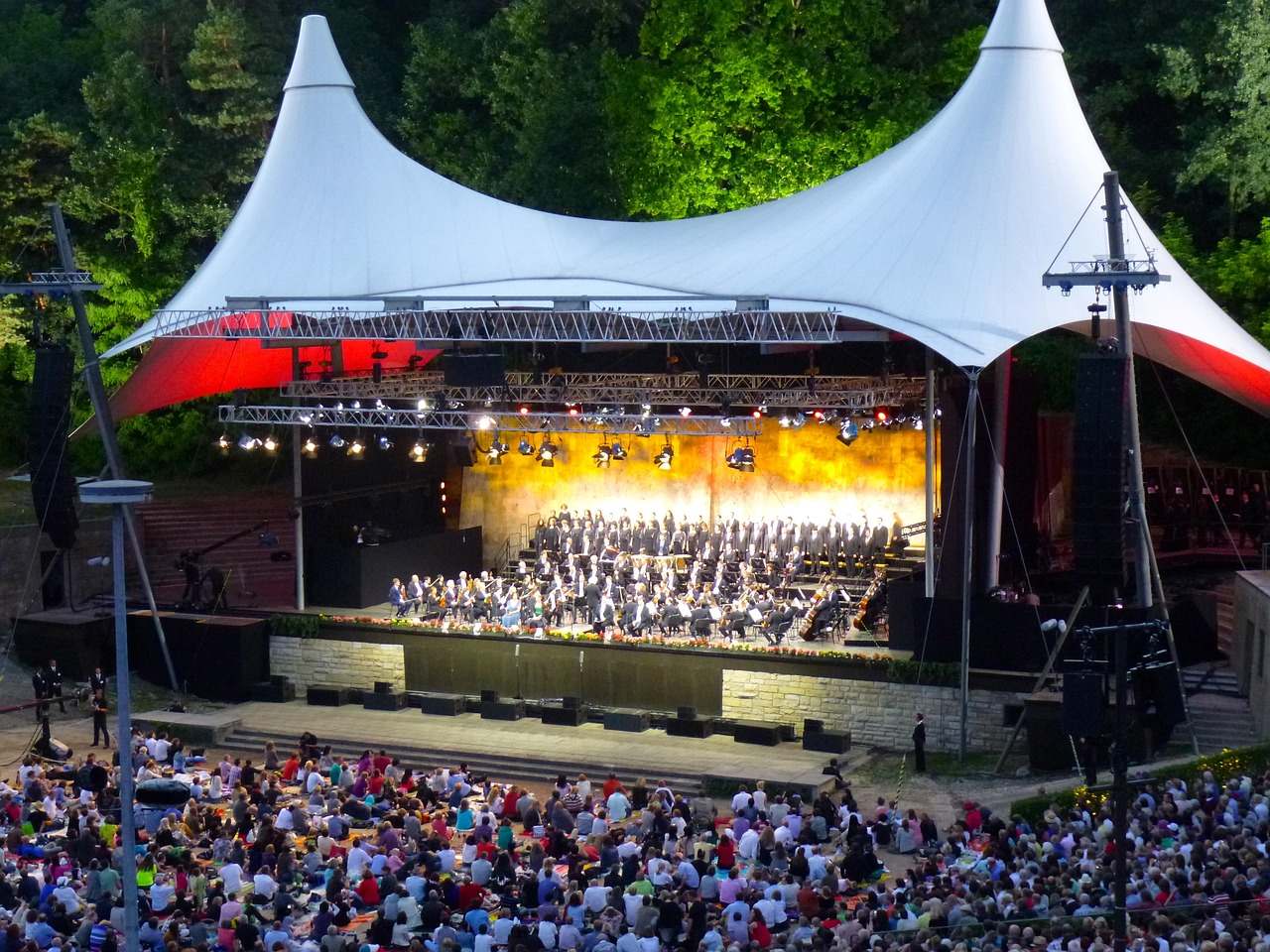
Two of the best-known large rooms in the city are open-air, and both sit inside green space. The largest is the Hollywood Bowl, which the venue’s own history page describes as hosting iconic performances and unforgettable events since 1922. Its about page explains that the site is one of the world’s largest natural amphitheaters, seating nearly 18,000 people, and adds that it is both a concert venue and a public park. The practical side of a visit, from seating areas to access and planning, is covered in the hollywood bowl visitor guide.
The other large open-air stage is in Griffith Park. The operator’s venue page calls it a venue owned by the City of Los Angeles and gives its capacity as 5,900 for the outdoor venue, which makes it far more intimate than the Bowl. The same page records that the building was formally dedicated in 1930, so the setting has a long history behind it. The article on the greek theatre los angeles walks through the setting, the history and what a visit involves.
Downtown, the indoor counterpart is an architectural landmark rather than a hillside. The LA Phil’s venue pages say that when architect Frank Gehry designed the hall, he envisioned it as a living room for the city of Los Angeles, and they point out the hall’s 6,134-pipe organ as a defining feature of the interior. Orchestral programmes dominate its calendar, though the building also welcomes other kinds of performance. Visitors who want the architecture, the acoustics and the practical basics in one place can read the guide to walt disney concert hall.
What these large venues have in common is scale and structure. They sell reserved seats in defined sections, they publish detailed visitor information, and they run transport plans for big crowds. That makes them a good starting point for someone new to the city who wants a predictable, well-documented evening out.
Seating deserves a moment of thought at any of them. In an amphitheater, distance from the stage changes the sound and the sightline, and the sections nearest the back may sit well above the performers. In a concert hall, the acoustics are designed for the room as a whole, so even seats far from the stage are meant to carry a clear sound. Reading the venue’s seating chart before buying a ticket is worth the few minutes it takes.
Programming is different as well. The hillside stages host everything from orchestras to popular touring acts across a season, while the downtown hall’s calendar is built around its resident orchestra and visiting ensembles. A visitor curious about classical music can treat a concert in the hall as an easy introduction: programmes are usually printed, performances have a clear start and end, and ushers are used to first-time guests.
- Hollywood Bowl: Metro B Line to Hollywood/Highland: B Line
- Hollywood Bowl asks visitors not to park in surrounding neighborhoods: n/a
- Greek Theatre is within Griffith Park and owned by the city: n/a
- Troubadour parking limited, rideshare or transit recommended: n/a
- Fonda closest Metro stop Hollywood & Vine on B Line: n/a
Historic theatres and small clubs
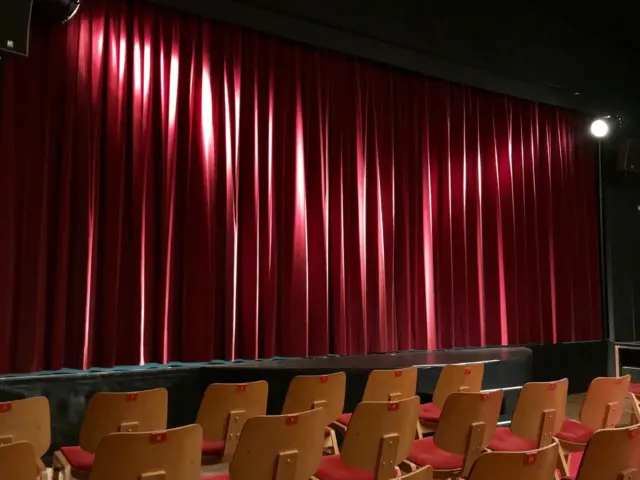
The mid-sized rooms are where much of the touring-band circuit lives, and several of them are historic buildings that predate the bands who now play in them. Walking into one is partly an architecture lesson: balconies, ornate ceilings and stages built for a different kind of entertainment.
In West Hollywood, one famous club presents itself on its own website with the line Since 1957 and a link to its history page. The profile of that room, why singer-songwriters and bands have long treated it as a milestone, and what the experience of a small club show is like are in the article on the troubadour west hollywood. A small room like this behaves differently from a hall: shows are general admission or mixed, the crowd stands close to the stage, and a bill with several acts can run late.
On Hollywood Boulevard, another historic theatre describes itself as located on historic Hollywood Blvd, and its venue pages carry notes on parking, public transport and prohibited items. The background of that building and how a night there works is explained in the article on the fonda theatre hollywood.
To the south, on Wilshire Boulevard, the Los Angeles Conservancy describes the 1931 Wiltern Theatre and its adjoining Pellissier Building as instantly recognisable for their distinctive Art Deco style. The detail of that design, and what it means for an evening inside, is covered in the article on the wiltern los angeles.
Taken together these three rooms show the range of the mid-sized circuit. One is a long-standing club, one a theatre on a famous boulevard and one a preserved Art Deco landmark. Each has its own entry rules, and a few of those rules, such as bag restrictions, catch first-time visitors out. Bag policies in particular vary from room to room, and a bag that is accepted at one venue may be turned away at another, so it is wise to check before packing rather than at the door. The general advice in the planning hub, how to go to a concert, applies to all of them: read the venue’s page before the day, not on the way there.

Getting to the show without a car
Traffic and parking are the two practical problems that come up most often for concert-goers in Los Angeles, and the venues themselves say so. The Troubadour’s own page states that parking is limited and recommends rideshare or public transportation whenever possible. The Hollywood Bowl’s visitor page asks guests to not park in the neighborhoods surrounding the Hollywood Bowl, because doing so could lead to a costly parking ticket.
Rail can solve part of the problem. The Bowl’s page names the easiest public route as taking the Metro B Line to Hollywood/Highland Metro Station, with a shuttle to finish the trip. The Fonda’s page names the closest stop for that venue as Hollywood and Vine on the Metro B Line. Downtown, the LA Phil’s directions tell visitors to take the A or E Line to Grand Av Arts/Bunker Hill Station, across the street from the hall, and also note that parking is available directly beneath the building.
Metro describes itself as a system that connects Los Angeles County by bus, rail, bike, van and more, and its rider page also notes that, at the time of writing, transfers are free within two hours when a rider taps to ride. For a detailed comparison of transit, parking and rideshare for different venues, see the guide to getting to concerts in los angeles.
A few habits make the journey easier whichever mode is chosen. Check the venue’s own transport page for the exact date, because shuttle arrangements and nearby road closures can change. And if a ride-hailing app is the plan, agree a pick-up point away from the busiest exit rather than at the venue door.
Accessibility is part of the same planning. Large venues publish dedicated pages for visitors who need step-free routes, seating adjustments or drop-off points, and the information differs from venue to venue. Anyone who needs these arrangements should read the venue’s own accessibility page and, where possible, contact the venue before the day. Historic buildings can present particular challenges, so it is worth confirming what is available rather than assuming.
Record stores and the wider music culture
Live music in the city is only one part of its music culture. A browsing trip fits easily around a daytime visit to a venue neighbourhood, especially in Hollywood.
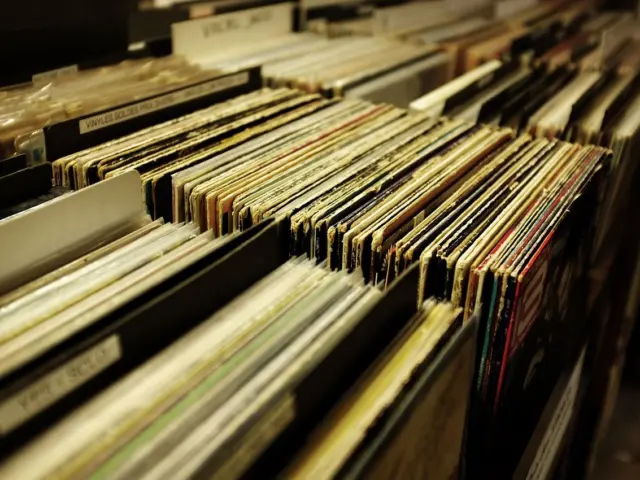
Record shopping rewards a little preparation. Condition grading, pressing details and the difference between reissues and originals all affect what a record is worth and how it sounds. The guide to record stores in los angeles explains what to know before browsing, from how stores organise their stock to what to check before buying.
Flyers on shop counters and noticeboards are still a source of information about small shows that never reach big listing sites. Bands also sell their own records and shirts at club shows, which is part of how independent artists fund the next tour.
The city’s music culture extends beyond ticketed shows and shops. Public libraries, radio stations and community events all play a part, and many fans find new acts through a friend’s recommendation after an opening set rather than through an algorithm. Those support slots matter more than they seem: a short opening performance is often a band’s best chance to reach a room full of people who came for someone else. That is also why arriving early to catch the first act, when the venue allows it, can be one of the better ways to discover something new.
For musicians themselves, the picture is just as varied. Rehearsal, recording, booking and promotion all have to be handled, usually with very little money, and a local scene gives players a network of other bands, venues and sound engineers to learn from. A visitor who understands that context tends to enjoy a small-club show more, because it is easier to see the work behind a short set.
Planning a night of live music in Los Angeles
A little structure turns a good idea into a smooth evening. Start with the kind of experience wanted: a seated evening in a large hall, a standing show in a club, or an outdoor event under the sky. Then look at the venue’s own page for rules on bags, re-entry, accessibility, food and drink, and the time doors open.
Work backwards from the start time. Decide how to arrive, check the route, and allow for the walk from the station or lot to the entrance. At the larger venues this walk can take a good while, and queues at security are common when a popular show is about to begin. For small clubs, the main variable is the bill: the first act may start well before the headliner, so the arrival time depends on who you want to see.
Etiquette follows from the setting. In a small club, a crowd standing close to the stage means quiet conversation is often drowned out, and people who want to talk usually drift to the back or the bar. In a seated hall, silence between movements and during quiet passages is expected, and applause follows the performers’ cues. In an open-air venue, the mood is usually more relaxed, with people settling in early and staying until the final encore. Learning these unwritten rules is part of becoming a confident concert-goer, and they are easy to pick up by watching the people around you.
Finally, buy tickets only from channels the venue itself names. The Troubadour’s own page warns that tickets bought from third-party sellers are not verified or guaranteed by the club. A full planning checklist, from tickets to what to bring, sits in the concert planning guide linked above.
Frequently asked questions
What are the main types of live music venue in Los Angeles?
Show answer
The scene has large outdoor and concert-hall venues, mid-sized historic theatres and small clubs. The large venues sell reserved seats and publish detailed visitor guides, the theatres host many touring bands, and the clubs are where local and emerging acts build an audience.
Can I get to a Los Angeles concert by public transport?
Show answer
Often, yes. Several venues name Metro stations on their own pages, including the Metro B Line for the Hollywood Bowl and the Fonda, and the A and E lines for downtown. Metro’s rider page has trip-planning tools, and each venue’s page has its own directions.
Is parking easy near the venues?
Show answer
Not always. The Troubadour says parking is limited, and the Hollywood Bowl asks guests not to park in surrounding neighbourhoods. Check the venue’s page for lots, shuttles and rules before leaving.
Is this site affiliated with any venue or band?
Show answer
No. This is an independent information site about independent music, Los Angeles live music and going to concerts. It does not sell tickets or merchandise, and it is not connected with any band, venue, promoter or ticketing company.