Getting to concerts in Los Angeles usually means choosing between Metro rail, a venue shuttle, a rideshare drop-off or parking, and the right choice depends on the venue. Each major venue publishes its own transport page.
This guide sits alongside the wider overview of live music in Los Angeles and explains how the main options work, using operator and Metro pages as the source for every venue detail.
Why concert travel in Los Angeles needs a plan
Los Angeles is a spread-out county, and the places that host live music sit in very different settings. A plan that works for one show can fail badly at another.
The most reliable habit is to read the venue’s own transport page before buying a ticket, then to decide how the journey home will work as well as the journey there. Late-night departures, crowded exits and surge pricing for rides are all easier to handle when the return trip has been thought through in advance. Venue policies change, so details in this guide are described as they stood at the time of writing, and the linked pages remain the authority.
It also helps to think in terms of the whole evening. Doors, supports and headliners all run to a schedule, so the real question is when to leave, not only how.
Taking Metro to a show
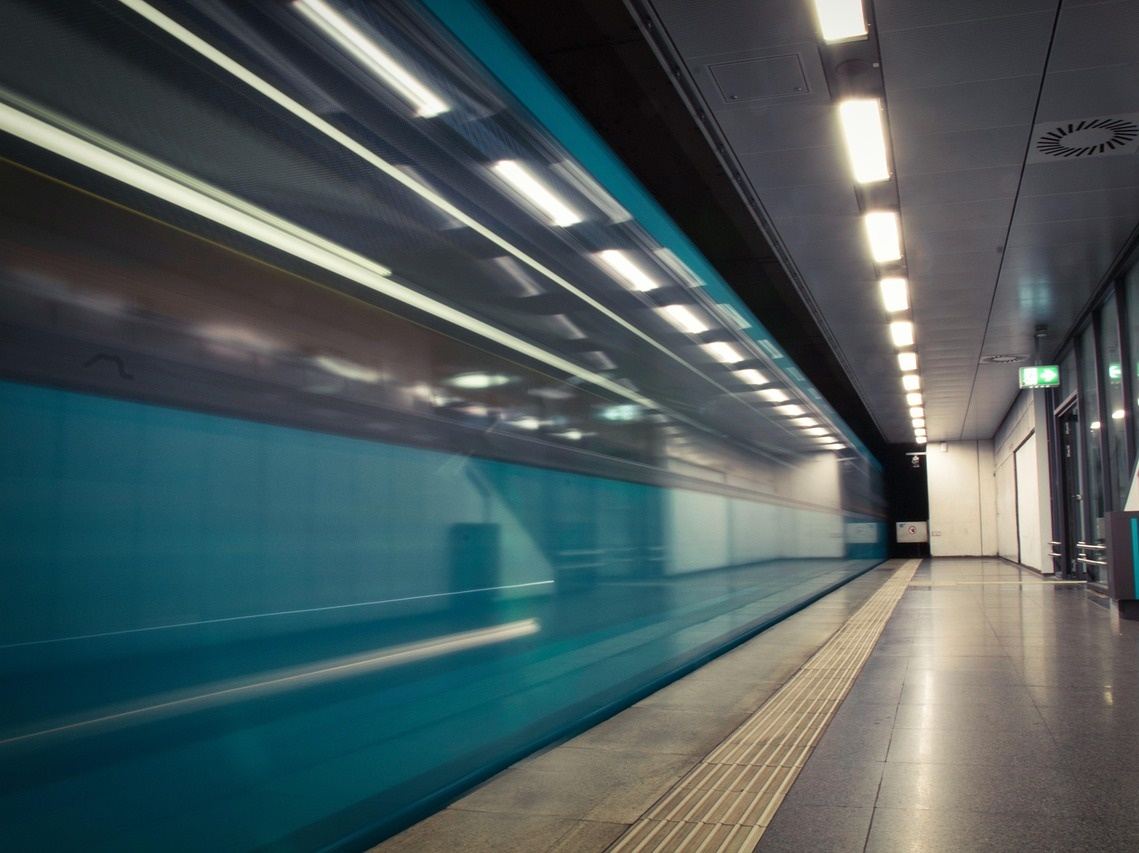
LA Metro describes its network as connecting Los Angeles County by bus, rail, bike, van and more, and it lists Metro Rail as subway and light rail lines connecting major destinations. For a concert-goer, the useful parts are the rail lines, the bus network and the trip planning tools.
The same Metro page describes its tools for planning a ride: a trip planner that shows the best route, real-time arrival times for buses and trains, service alerts for delays and detours, and an official app for iPhone and Android. Checking alerts before leaving home matters on show nights, because a detour can change which stop is closest to the venue.
Metro lines are identified by letters, so a venue’s page will usually name a line and a station rather than a street route. At the time of writing, paying is done with a TAP card, a credit or debit card, or Apple Wallet, and the Metro page also notes that cash works on buses only. Rail stations have elevators and accessibility features, and the page states that all buses and trains are wheelchair accessible.
Concert nights in summer can be hot. Metro advises riders on extreme heat to stand in the shade and notes that bus stops, outside transit stations and platforms can get hot, so a bottle of water and a plan for waiting outdoors are sensible additions to the evening.
Hollywood Bowl: shuttles, rideshare and parking
The Hollywood Bowl publishes a dedicated Getting Here page, and it is direct about the constraints. It warns visitors not to park in the neighborhoods surrounding the Hollywood Bowl, because doing so could result in a costly parking ticket.
The page says that parking at the Bowl is extremely limited, stacked, and may sell out in advance, and it advises buying parking ahead to secure a spot. Stacked parking means cars are parked in lines behind one another, so the order in which cars leave is tied to the order in which they arrived.
For anyone who would rather not deal with that, the Bowl describes a Park and Ride and Bowl Shuttle service on the same Bowl visit page, pitched as a way to avoid the stress of LA traffic and Bowl stacked parking with a bus ride straight to the Bowl. The page links to a list of the Park and Ride and shuttle locations.
Public transit is covered too. According to the Bowl, the easiest way to get there by public transportation is the Metro B Line to Hollywood/Highland Metro Station, where the free Bowl shuttle is caught at Ovation Hollywood when showing a valid Metro TAP card or a GoMetro Round-Trip Pass, as stated on the venue’s page.
Rideshare has its own location. The venue says rideshare drop-off and pick-up are in Lot C, the purple lot, and that drivers should be directed to the address given on its page.
On busier concert nights the Bowl says street closures may be implemented at Milner and Camrose to reduce cut-through traffic. It adds that closures begin approximately two hours before the published show time and end approximately one hour after the show ends, per the official guidance. Anyone driving or being dropped off should expect those streets to be unavailable around the show.
The Bowl also suggests arriving at least 90 minutes prior to a performance, as published on its Getting Here page, and notes that the gate time on a concert’s detail page governs ticketed access to the amphitheater.
Downtown: Walt Disney Concert Hall
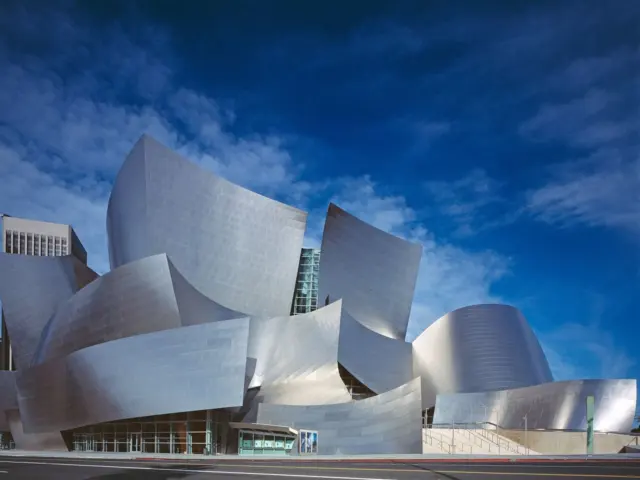
Downtown halls work differently from hillside amphitheaters. The walt disney concert hall is covered separately for its architecture and visitor basics, and its transport arrangements come from the operator’s own Getting Here page.
That page says parking is available directly beneath Walt Disney Concert Hall and it lists the entrances, hours and rates, which change, so the current page is the one to read. It also notes street closures connected to construction nearby, which can affect how drivers reach the garage entrances.
For rideshare, the same page says all rideshare, access, and drop-off vehicles are welcome to unload passengers on Grand Avenue in front of the concert hall, with loading zone signs marking the preferred spot for passenger drop-off.
The operator says to take the A or E Line to the Grand Av Arts/Bunker Hill Station, located across the street from the Hall, or the B or D Line to Civic Center/Grand Park Station, a short walk away, and that the Metro J Line busway also stops nearby. It recommends planning the trip in the Transit app or by phoning Metro.
Choosing between transit, rideshare and driving
Each mode has trade-offs that are mostly about control and certainty rather than cost.
- Metro and shuttles: predictable routes that avoid venue parking altogether, but timetables and last departures need checking, especially after late shows.
- Rideshare: door-to-door convenience with a designated drop-off point at many venues, but pick-up zones fill up at the end of a show, so a short walk to a quieter street can help.
- Driving: flexibility for those carrying gear or traveling with others, but parking at some venues is limited, may sell out, and can involve long waits to leave.
Park-and-ride is a middle path. Metro’s page lists parking as park-and-ride options at select stations, which lets a driver leave the car near a rail station and take the train for the final stretch. Which stations offer this, and whether a car can stay overnight, are questions for Metro’s own pages.
Whatever the choice, a few habits carry over from venue to venue. Save the venue’s drop-off point and the nearest station in a phone note before leaving, charge the phone, and agree on a meeting spot with the group in case signal is poor around the venue. Lock valuables out of sight and out of the car where possible, and keep the return plan in mind while enjoying the show.
Concerts are only one reason to travel across the city on a music night. Anyone arriving early may want to browse nearby shops, and the guide to record stores in los angeles explains how to make the most of a visit to a crate-digging shop before a show.
Frequently asked questions
Can a concert-goer rely on public transport to reach a Los Angeles venue?
Show answer
Checking service alerts on the day is wise.
Is street parking near a venue a good idea?
Show answer
It depends on the venue. The Hollywood Bowl, for example, asks visitors not to park in surrounding neighborhoods and warns of costly parking tickets, so reading the venue’s page first is the safest approach.
Where do rideshare drivers drop passengers at the Hollywood Bowl?
Show answer
The Bowl says drop-off and pick-up are in Lot C, the purple lot. Walt Disney Concert Hall says drop-off vehicles may unload on Grand Avenue in front of the hall.
How early should a concert-goer leave home?
Show answer
The Hollywood Bowl suggests arriving at least 90 minutes before a performance, and other venues publish their own guidance. Allow extra time on hot, busy or rainy nights.
Is a venue’s transport page the final word?
Show answer
Yes. Policies, closures and rates change, so the operator’s page and Metro’s trip planning tools are the sources to rely on at the time of travel.