The Fonda Theatre Hollywood is a historic live music venue on Hollywood Boulevard. It opened in 1926 as a stage theatre and now runs mostly general admission concerts.
This independent guide explains the building’s history and how a night there works. It is one stop in the wider picture of live music in Los Angeles, and it is not run by, or connected to, the venue or its operator.
From a stage theatre to a film house and back
According to the venue’s own history page, the building opened in 1926 under the name Carter De Haven’s Music Box. It began as a legitimate stage theatre hosting revues and productions, and the same page notes that this included the West Coast premiere of Chicago starring Clark Gable. In those years it belonged to a busy theatre district in Hollywood’s golden era.
The story then changes medium. In later decades the venue became the Pix Theatre, premiering landmark films such as Jaws and Rocky, before eventually returning to its live performance roots. That arc, from live stage to cinema and back to the stage, is common among older Los Angeles theatres, and it explains why a room built for plays and revues now suits amplified bands so well.
Layout and seating
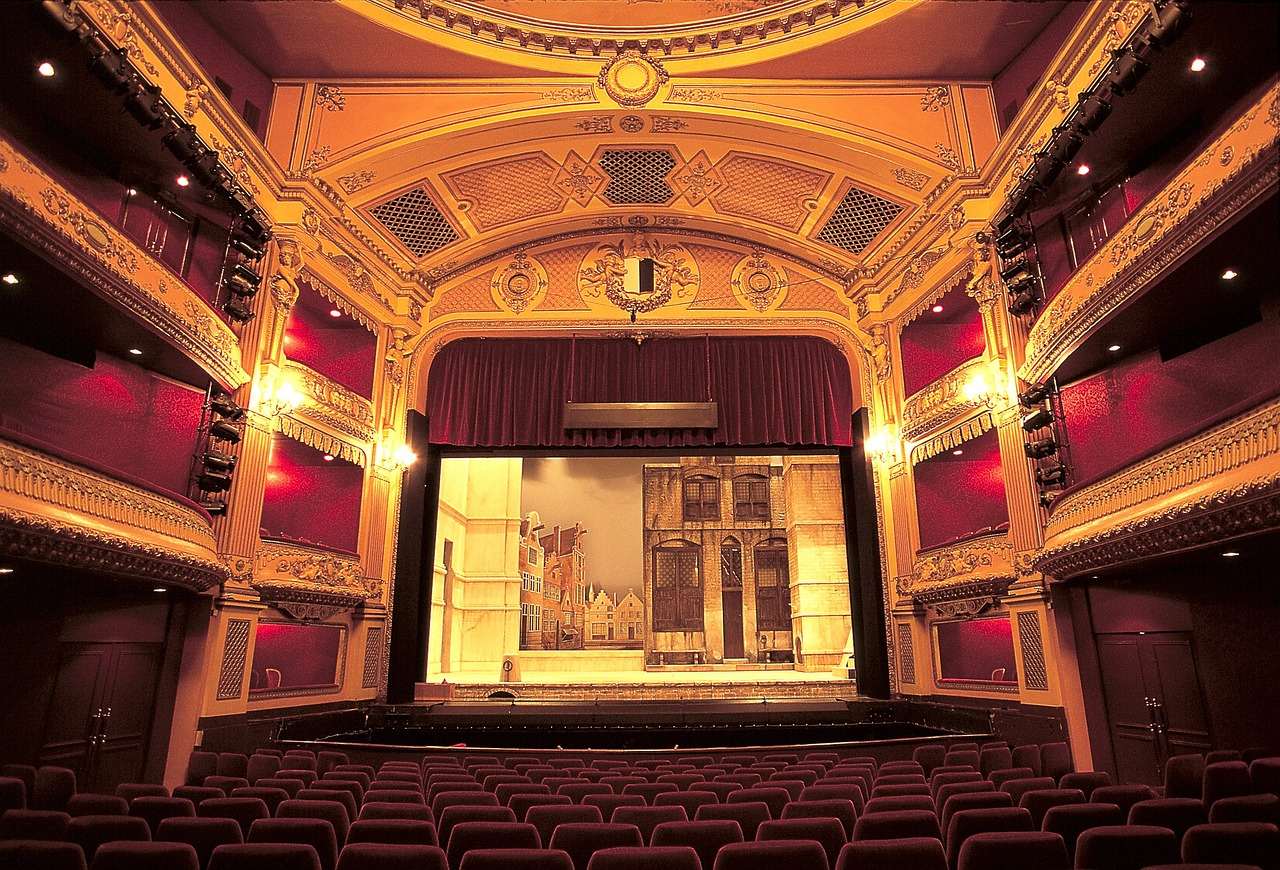
The venue’s FAQ explains that the Fonda Theatre is General Admission (GA) unless otherwise specified in the individual show details. In practice, that means most shows do not assign seats, so where a fan stands or sits depends on the ticket type and on arrival time.
The main floor is the standing area. The same page states that the Main Floor is Standing Room Only for General Admission shows, unless stated otherwise. Fans who like to be close to the stage usually choose the floor.
The balcony works differently. For general admission shows it offers a mix of seated and standing room, and seats are first come, first served, so a balcony ticket does not guarantee a seat. Anyone who needs step-free access should note that balcony access is by stairs only, and the venue asks guests who need ADA accommodations to arrange them in advance through its ticketing partner or by contacting the venue.
Hearing comfort matters in a room with a standing floor, and anyone with hearing concerns should see an audiologist or doctor.
Getting to Hollywood Boulevard
The venue lists its address as 6126 Hollywood Blvd in Los Angeles. Its directions page says that, by train, the closest Metro stop is on the Metro B Line (Red), with Hollywood and Vine named as that stop, and it also lists nearby Metro bus lines. Current routes and times are on the Metro website.
Drivers should plan ahead. The venue states that it does not operate any parking lots around it, and it points to a nearby lot at the corner of Hollywood and Gower, entered from Gower, whose prices vary from show to show. Street parking is limited and metered, so reading the posted signs matters. For a contrast with a much larger open-air venue, readers can compare this setup with the hollywood bowl visitor guide on this site.
House rules to check before you go
Policies at a venue like this can change, so the operator’s page is the final word, and the points below reflect what the pages said at the time of writing. Three rules catch many first-time visitors.
- Bags: the FAQ states that bags may not be larger than 14″x14″, which rules out most backpacks and luggage.
- Cameras: the venue’s list of prohibited items includes professional cameras, meaning anything with a detachable lens, with an exception for credentialed individuals. Disposable cameras without flash are listed as acceptable.
- Smoking: smoking is not allowed anywhere inside the historic building, including vapes, though the venue points smokers to its rooftop patio.
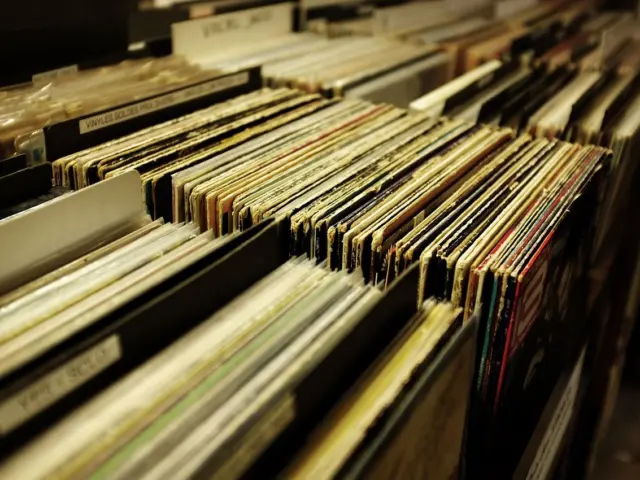
Other items on the prohibited list include outside food and drink, glass containers, water bottles, chairs, umbrellas and selfie sticks. Age limits vary by show, and the venue says that to be served alcohol, guests must present a valid photo ID showing they are at least 21 years of age. Fans who also like to browse vinyl before a gig can read about record stores in los angeles in a separate guide on this site.
Payments, doors and the box office
Money handling is simple but easy to miss. The FAQ says that venue concessions are cashless, so a card or phone payment is needed at the bar, while the box office takes both cash and card. The box office has set hours on a weekday afternoon and opens with the doors on concert evenings, and the venue asks people to call for the specifics of each show.
Because the room is general admission, arrival time shapes the experience more than it would at a reserved-seat hall. Fans who want a rail spot or a balcony seat tend to arrive when doors open, while those who prefer more space and a shorter wait often arrive later. Neither approach is wrong; it comes down to what a person wants from the night.
Planning a night at a historic room
Older theatres like this one were designed before modern touring production, which is part of their charm and part of their limits. Sightlines, stairs and narrow entries are features of a building from the stage era, so comfortable shoes, a light bag and a plan for the journey home go a long way. Checking the operator’s pages shortly before the show catches any change to rules, ages or door times, and the venue’s own event listing is the place to confirm what a particular show allows.
Buying tickets with care
The venue’s FAQ addresses resale directly: it says it is unable to verify or guarantee the authenticity of tickets that were not purchased directly through an authorized sales channel. It names its own box office and its ticketing partner as the direct routes, and it describes digital mobile tickets as its preferred way to enter.
This is general information, not legal advice or a recommendation of any seller. The practical lesson holds at any venue: check the event page for the ticket type, the age rule and the seating arrangement before paying, and keep the confirmation until the night itself.
Frequently asked questions
Is the Fonda Theatre general admission?
Show answer
Mostly. The venue states that it is general admission unless a show’s details say otherwise, with a standing main floor and a balcony that mixes seated and standing room.
Can fans bring a backpack?
Show answer
Large bags are restricted. The venue publishes a size limit for bags, so travelling light and checking the prohibited items list before leaving home is the safest approach.
Is there a parking lot at the venue?
Show answer
No. The venue says it does not operate parking lots and points to a nearby lot and limited street parking, so many fans use the Metro B Line instead.
Can fans take photos at a show?
Show answer
Phones and small disposable cameras are treated differently from professional cameras. The venue prohibits cameras with detachable lenses and recording devices such as tablets, so check the current list first.