
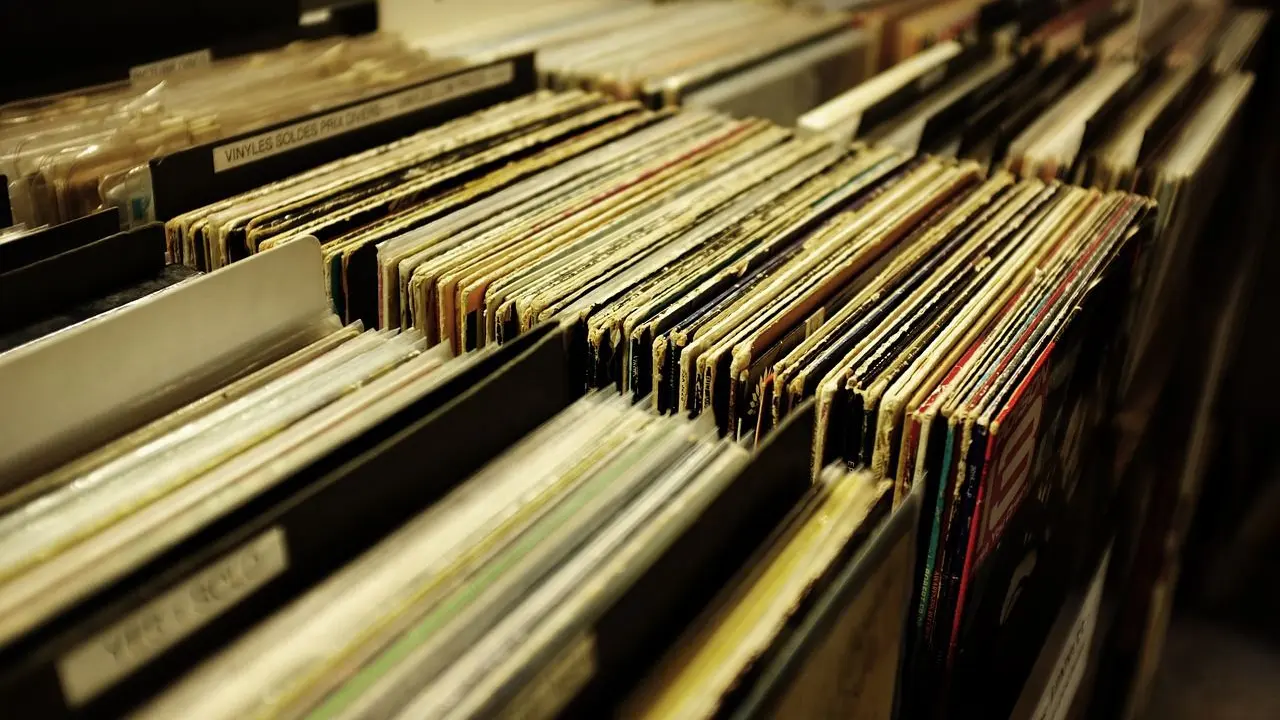
Record stores in Los Angeles work like record stores anywhere: they sell new and used records, price them by condition and rarity, and expect shoppers to browse with care. Knowing those basics makes a first visit easier.
The city’s shops are part of the wider picture of live music in Los Angeles, where fans often pair a gig with a hunt for a record by the artist they just heard.
New records versus used records
A record shop usually stocks new and used copies side by side, and the difference shapes everything from price to what to look for. New records are current releases and fresh reissues, normally still sealed. Used records are second-hand copies that the shop has bought from collectors, estates and walk-in sellers, so every copy is a one-off with its own history and wear.
New stock is predictable: if the title is in the rack, the copy in the sleeve will be clean. Used stock rewards patience. A shopper might find an original release that has long been out of print, a cheaper copy of a common album, or an unusual pressing that never got a reissue. The trade-off is that condition varies widely, which is why grading matters so much.
Most shops also take trade-ins or buy collections. Sellers are generally paid on the strength of the records’ condition and demand, and a shop will usually decline copies that are heavily worn, warped or water-damaged. Anyone planning to sell should bring records in their sleeves, clean them gently and expect the buyer to inspect each one.
Record Store Day and special releases
It is a semi-annual event established in 2008 to celebrate the culture of the independently owned record store. It is held on one Saturday (typically the third) every April and every Black Friday in November, and a number of records are pressed specifically for Record Store Day.
In practice, that means a limited run of special releases reaches participating shops on a set day, and each shop decides how it handles the crowd. Because arrangements differ from shop to shop, the reliable way to plan is to read the shop’s own announcements before the day rather than assume a method. Arriving with a short list of priorities, and accepting that popular titles may sell out fast, keeps the day enjoyable.
Special-release days also change how a shop feels. Floor space fills up, staff are busy, and ordinary browsing is harder. A visit on a quieter weekday is often a better choice for anyone who wants to dig slowly or ask questions.
How record grading works
Condition is the main thing separating a bargain from a disappointment. Grading is the shorthand shops use to describe how a record and its sleeve have aged. The grading of records based upon condition became more standardized as published price guides spread, alongside collecting magazines such as Goldmine.
Most shops describe condition with a ladder of letter grades, running from sealed or unplayed at the top down through near mint, very good and lower grades. Exact wording differs between sellers, so the useful habit is to learn how a particular shop defines its own terms. Three practical points help:
- The record and the sleeve are often graded separately, so a clean disc can sit in a worn cover and the price reflects both.
- Surface marks and noise matter more to listeners than light cover wear, while collectors may care about both.
- A higher grade costs more, so a modest grade can be the smart choice for an album bought to be played rather than displayed.
Asking staff to play a questionable copy is a normal request when the shop offers it, but it is polite to be specific and not to ask for a long run of tests.
Pressings, reissues and value
Two copies of the same album can be very different objects. A first pressing comes from the original release run, while a reissue is made later, sometimes from different source material. The same record collecting overview notes that first pressings of original commercial releases usually have higher values among collectors than later pressings.
That does not make a reissue a lesser choice. For casual listeners, a clean modern reissue is often the easier option: it is usually in better condition, cheaper to replace, and made to play well. Collectors chasing an original, by contrast, look at label designs, matrix numbers etched near the center and other details that identify a pressing. Shop staff can often explain these markers if asked politely.
Crate digging etiquette
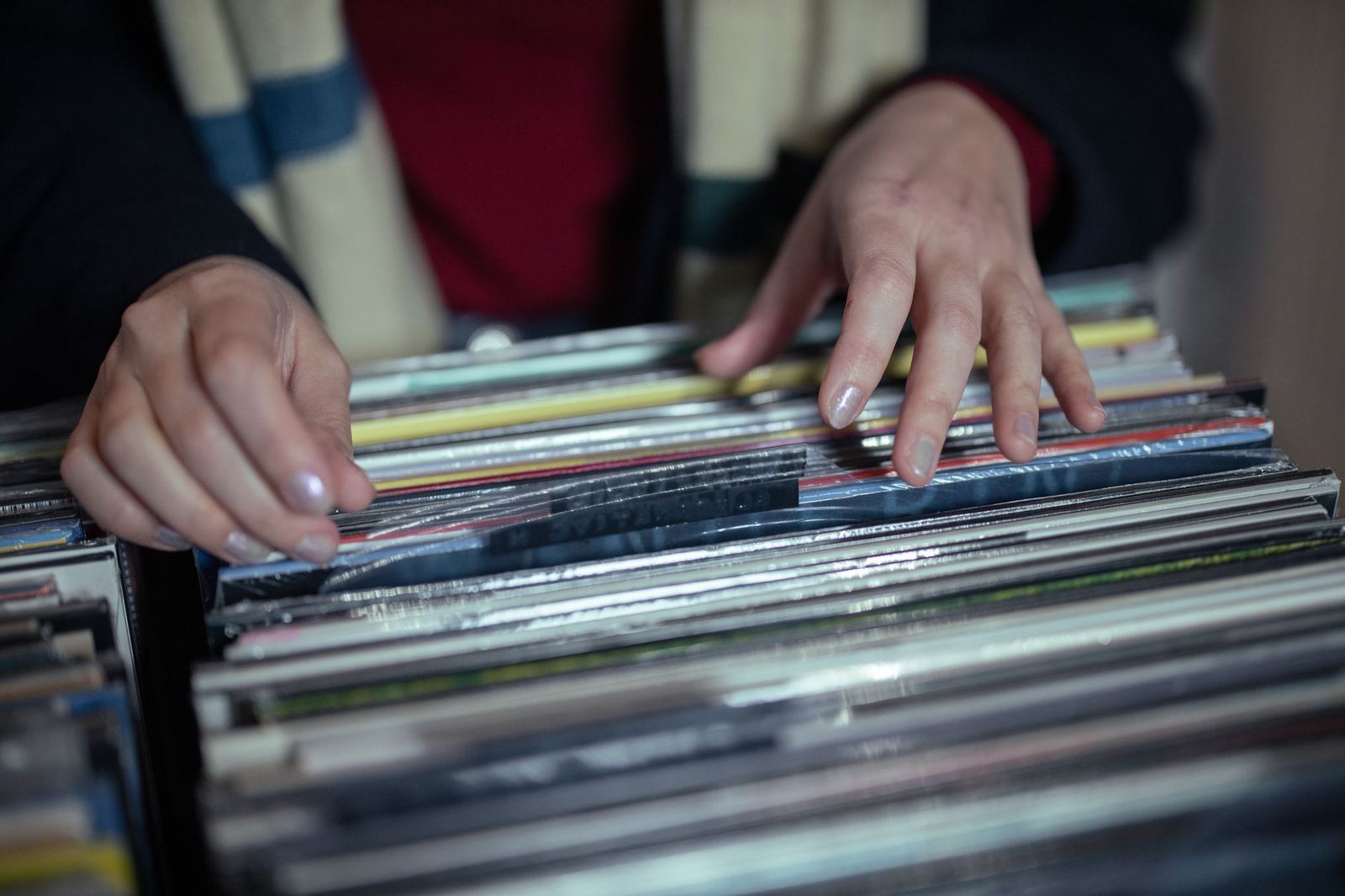
Crate digging is the practice of working through bins of records. The pastime involves thorough searching of record bins to find a recording of interest. Shops are shared spaces, so a few habits keep the experience pleasant for everyone:
- Flip through records gently and keep them in order, so the next browser finds them where the bin’s owner intended.
- Handle discs by the edges and labels, and slide them out of sleeves carefully to avoid scuffs.
- Put records back in the same spot rather than leaving a pile on the bin.
- Leave space for others at a busy bin and step aside after a quick look rather than blocking it.
- Keep bags and drinks away from the racks, and ask before photographing stock or staff.
- Ask staff before opening sealed records, and never open one without permission.
Haggling is a matter of local custom. Pushy bargaining on a single item is not.
Planning a record-shopping trip
A little planning goes a long way, since Los Angeles is spread out and parking and traffic shape the day. Hours, stock policies and special events change, so check a shop’s own website or social pages before leaving rather than relying on an old listing. The transport options in getting to concerts in Los Angeles apply equally to a shopping run, and many fans combine a visit with an evening show.
Fans who enjoy historic venues might also pair a store visit with a concert at the Fonda Theatre Hollywood or another room, buying a record beforehand and listening to it afterward.
Bring a tote bag or sturdy carrier, since records are heavy and thin cardboard sleeves can split. Keep purchases out of hot cars, because heat can warp vinyl. If you are new to collecting, start with a short list of albums and a firm budget, then let the bins surprise you. This article is general information about how record shops work; it does not recommend or rate any particular shop.
Frequently asked questions
Are used records worth buying?
Show answer
Yes, when the condition suits the purpose. A clean used copy often costs less than a new one and can play well, while heavily worn copies are best left alone.
What does a record grade mean?
Show answer
A grade is the seller’s description of condition for the disc and sleeve. Wording differs between sellers, so read the shop’s own guide and ask staff if a grade is unclear.
Can I ask to hear a record before buying?
Show answer
Ask politely and keep requests reasonable.
Is a reissue worse than an original pressing?
Show answer
Not necessarily. Originals are usually prized by collectors, but a clean reissue is often a sensible choice for listening.