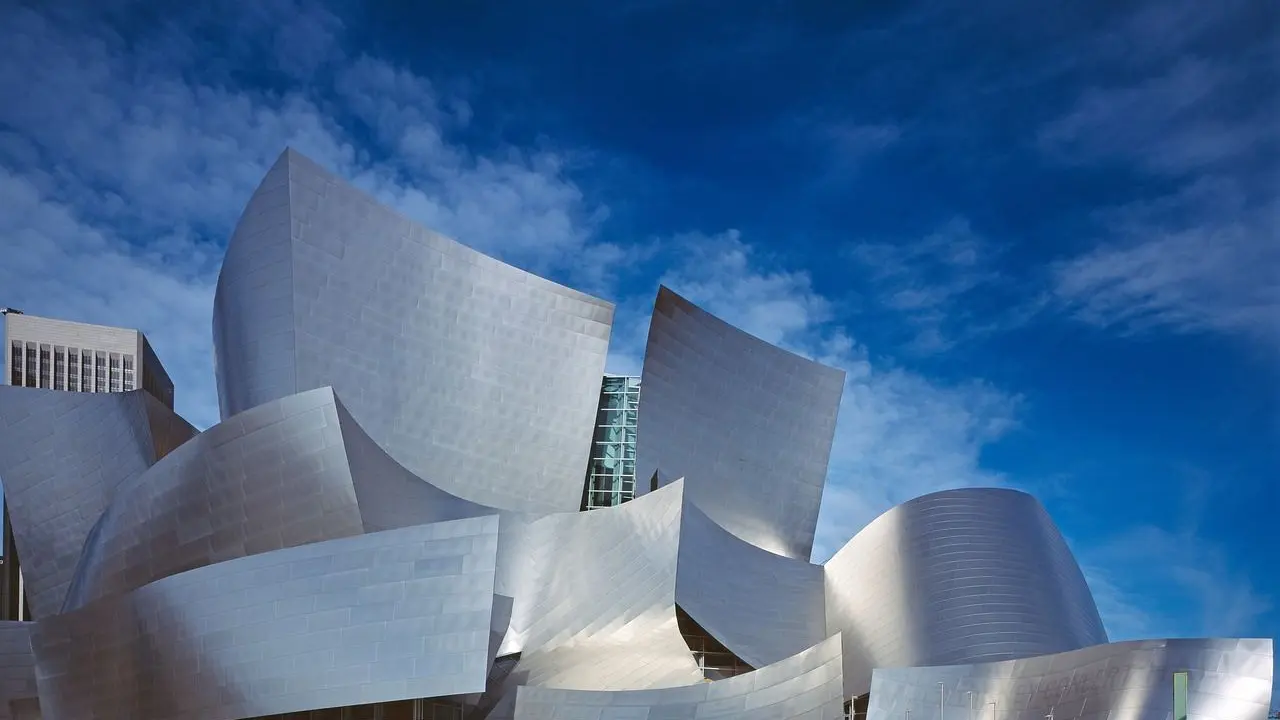
Walt Disney Concert Hall is a steel-clad concert hall in downtown Los Angeles, designed by architect Frank Gehry and built as the home of the Los Angeles Philharmonic. This guide covers how it came to be, how its design works and what a visit involves.
The hall is one stop on the wider map of live music in los angeles, where it sits far from the rock clubs and outdoor amphitheaters yet shares the same city audience.
What the hall is and what it hosts
According to the LA Phil’s venue page, the hall opened in 2003, seats 2,265 and sits in downtown Los Angeles. The LA Phil’s own visit pages describe it as the home of the Los Angeles Philharmonic, presenting classical and contemporary music, international sounds and jazz.
That mix matters for curious music fans. A building that looks like a sculpture is also a working room for amplified and acoustic programs, from orchestral repertoire to jazz and world music. It is a useful contrast with the smaller rooms covered in a separate guide to the wiltern los angeles, an Art Deco hall with a very different feel.
How the hall came to be
The project began with a gift. The LA Phil’s history of the building explains that Lillian B. Disney, in honor of her late husband Walt Disney, donated $50 million to the Music Center for a new concert hall. The search for an architect began in 1987, and an initial list of 80 architects from around the world was cut to 25, then six and then the final four, which included Frank Gehry.
The same account explains that the road was long. It took 16 years from the initial gift to the day the hall opened in October 2003, and a mix of political, planning, management and bidding problems led to a shutdown of the project in 1994, before fundraising and public support brought it back to life in 1996.
Architecture and design ideas
Gehry’s stated aim, according to the same LA Phil account, was a place where people would come together and feel comfortable doing so, a concept summed up as a living room for the city. The curving metal exterior is the part most visitors photograph, but the design logic runs from the inside out.
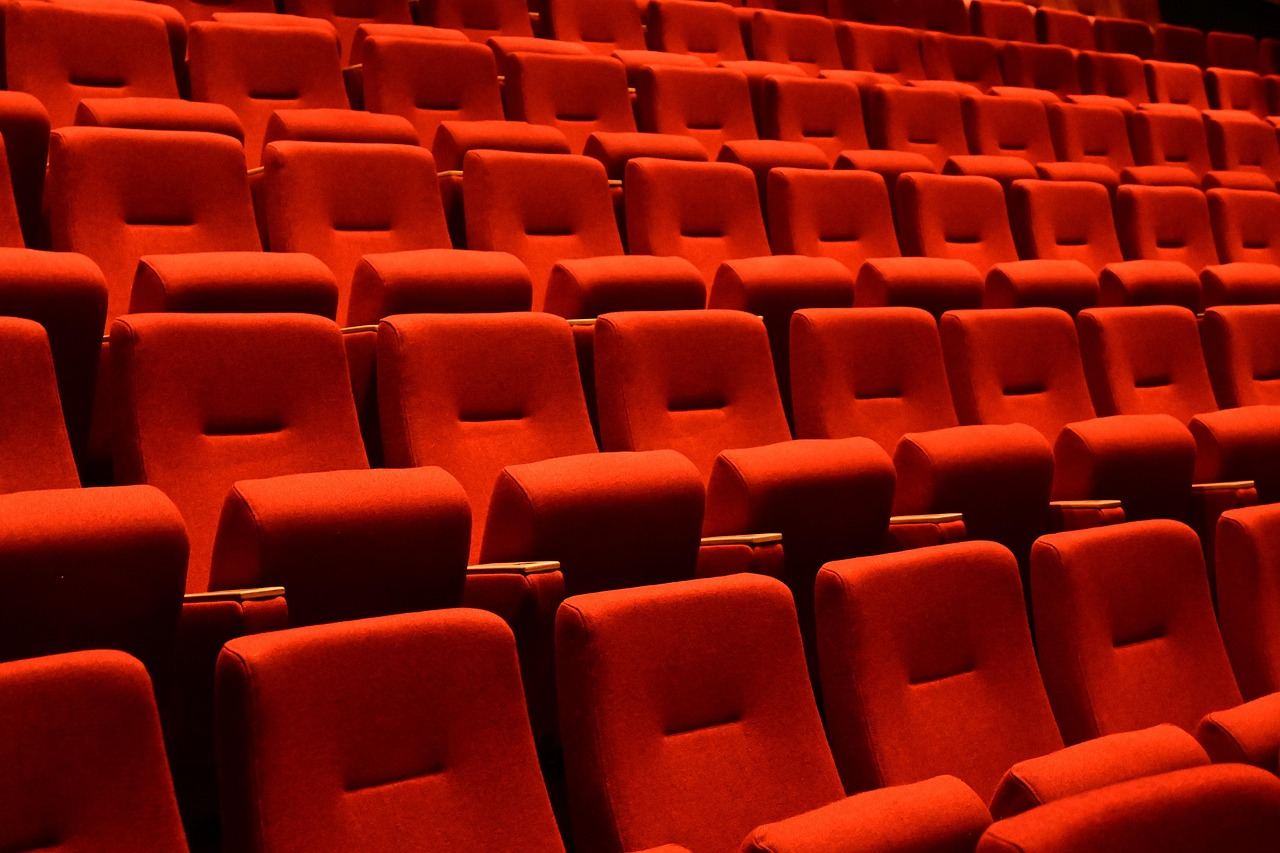
The LA Phil’s account adds that the design of the hall and its acoustics evolved together, with Gehry designing the hall from the inside out. Dr. Minoru Nagata was chosen as the acoustician because of the bright and clear, yet warm, sound of a celebrated hall in Tokyo, which shows how much the sound of one room can shape the design of the next.
Outside, the Blue Ribbon Garden holds a fountain called A Rose for Lilly, shaped from fragments of Royal Delft Blue porcelain. The LA Phil notes that the artists broke 200 Delft porcelain vases and more than 10,000 tiles to make it, and hid 60 hand-drawn shards bearing artist initials and playful drawings among the fragments.
The organ behind the stage
The most unusual instrument in the hall is its organ. The LA Phil’s highlights page describes a 6,134-pipe organ that towers above the rear of the stage, its external pipes often called French fries.
The LA Phil’s organ article says Gehry worked with Los Angeles organ designer and builder Manuel J. Rosales to create something different from a typical church organ with its rows and rows of metal tubes. The instrument has 128 draw stop controls, hand-lettered on porcelain with solid ebony stems. Because of its complex design, the organ was not finished until 2004, and judging one note during tuning could take up to 30 minutes. The tuning needed silence in the hall, so no rehearsals could take place meanwhile.
Getting there and getting in
The venue’s Getting Here page says parking is available directly beneath the hall, and that rideshare and drop-off vehicles may unload passengers on Grand Avenue in front of the concert hall. For public transit, it says to take the A or E Line to the Grand Av Arts/Bunker Hill station across the street, or the B or D Line to Civic Center/Grand Park station, a short walk away. Street closures and garage entrances can change, so confirm them on that page before travelling, and see the wider guide to getting to concerts in los angeles for general planning.
Visitors who want to see the building without a ticket have an option. According to the LA Phil’s tours page, free self-guided audio tours are offered by the Music Center most days. Each tour is an hour long and begins in the Grand Avenue Lobby, and start times vary, so check the schedule linked there.
House rules for concert-goers
Because the hall prizes quiet, its venue policies are stricter than at most rock venues. At the time of writing, the rules include the following points.
- Arrive early: the LA Phil recommends arriving 60 minutes before the start time.
- Late seating happens during the first appropriate pause in the program, and some programs have no intermission, so no late seating is offered.
- Food and drink are prohibited in the theater, except for bottled water.
- Photography and sound or video recording is prohibited without advance written permission.
- Mobile phones, watch alarms and other devices should be turned off before the concert.
- Patrons of all ages must have a ticket, and no children under 6 years old are admitted to several series, including classical, jazz and chamber concerts.
Rules differ by event and can change, so the policies page is the place to confirm details before any visit.
Accessibility and sound support
The hall publishes a dedicated accessibility page for guests with mobility, hearing or vision needs. It says seating areas for patrons in wheelchairs or semi-ambulatory patrons and their guests are available on all levels of the hall, and that wireless headsets for assisted listening are available free of charge at the coat check in the lobby, with an identification deposit.
The same page says complimentary large-print programs are available on request, and that service dogs are welcome, with guests asked to contact the box office when buying tickets so that suitable seating can be arranged. Anyone planning a visit with specific needs should read that page in full and contact the venue ahead of time, since arrangements and notice periods can change.
Why the hall matters beyond classical music
Even for fans of indie bands, songwriters and live club shows, a building like this is worth understanding. It shows how a city treats music as public architecture: a gift from a donor, a long political struggle, an architect who treated the room as an instrument, and a garden that anyone can walk through. Those same ideas, access, acoustics and atmosphere, decide whether any room feels right for live sound, from a small club to an amphitheater.
The hall also keeps its doors open to many styles. The LA Phil describes its programming as classical and contemporary music, international sounds and jazz, so a visit can be a first taste of live orchestral or jazz performance for someone who usually follows other genres.
Frequently asked questions
Who designed Walt Disney Concert Hall?
Show answer
Frank Gehry designed it, after being chosen from a shortlist of architects, as described in the LA Phil’s account of the building.
Can visitors tour the hall without a concert ticket?
Show answer
Free self-guided audio tours are offered by the Music Center most days, according to the LA Phil’s tours page; check the schedule there.
Can food be taken into the auditorium?
Show answer
No. The venue policies prohibit food and drink within the theater, except for bottled water.
Which Metro lines serve the hall?
Show answer
The Getting Here page names the A and E Lines at Grand Av Arts/Bunker Hill and the B and D Lines at Civic Center/Grand Park.