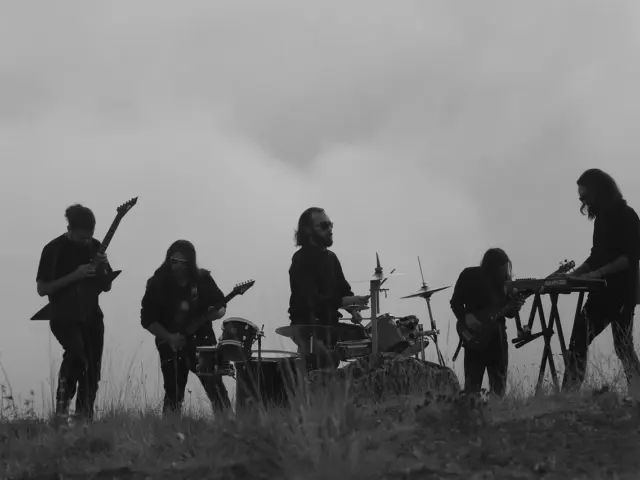

What is an indie band? It is a group that makes and releases music independently of the large major record companies, usually by owning or controlling its own recordings, schedule and creative direction.
This guide is the starting point for the music section of this independent information site, and each section below points to a deeper article on one part of the subject.
What indie means in music
The word indie is short for independent, and it carries two overlapping meanings that are easy to mix up. The first is about business: an independent act works with its own label, a small label, or no label at all, rather than with one of the large corporations that dominate the recording industry. The second is about sound and attitude: a loose family of guitar-driven, home-made, do-it-yourself styles that grew up around that business model. A group can fit one meaning without the other, which is why arguments about who counts as indie never really end.
The trade body for independent labels in the United States is careful about this point. The American Association of Independent Music describes itself as a voice for a diverse community of over 600 independently owned record labels operating within the country. The same page adds that “Independent” doesn’t refer to a specific genre of music, nor does it mean lesser-known artists.
Outside the industry, the everyday meaning is looser. Fans use the word for bands that feel handmade: small rooms, cheap recording gear, self-printed posters, a van and a few friends who help with everything. That picture is partly romantic, but it is rooted in real practice.
A useful way to hold both meanings at once is to treat indie as a spectrum. At one end sits a band that records in a bedroom, releases music on its own and books its own shows. In the middle sits a group signed to a small label that handles manufacturing and promotion while the artists keep creative control. At the far end sit independent labels that are large businesses in their own right. All of them can reasonably be called independent, because none is owned by a major company.

Independent as ownership versus independent as a sound
Because the label means two things, the sound side has its own family of sub-styles, each with a separate story. Indie rock is the best known. It grew from small labels, student radio and tiny clubs, and its development over several decades is traced in the article on the history of indie rock. The article follows how a scene built around cheap records and word of mouth gradually met larger audiences and new ways of listening.
Two neighbouring styles are often confused. One leans toward bright melodies, hooks and polished arrangements, and the other toward louder guitars, rougher edges and longer instrumental passages. The article on indie pop vs indie rock sets out how listeners usually tell them apart, and where the boundary blurs in practice.
A quieter branch borrows from acoustic traditions. It tends to feature acoustic guitar, banjo, fiddle, close harmony and lyrics that stay personal or narrative. The article on what is indie folk explains the instruments, the roots and the habits that give the style its recognisable character.
The key lesson is that none of these labels is a strict category with a rulebook. Critics, shops and playlists apply them loosely, and bands often reject them. A group that sounds like a certain style may be signed to a major company, and a group that sounds mainstream may be fully independent. When a description matters, it helps to ask two separate questions: who owns the music, and what does it sound like?
- Independent does not refer to a genre: stated
- Copyright arises when an original work is fixed: stated
- Types of work include musical compositions and sound recordings: stated
- Everyone is a copyright owner: stated
- MLC administers blanket mechanical licenses: stated
How an indie band forms and starts making songs
Most bands start with a small circle of people who already trust each other: friends, classmates, neighbours or players who met at an open stage. Typical lineups include a vocalist, one or more guitarists, a bassist and a drummer, though keyboards, strings, brass and electronics are common additions. What matters most early on is not gear or talent but a shared idea of what the group wants to sound like and how often it can realistically rehearse.
The practical steps are covered in the guide to how to start an indie band. A sensible habit is to complete simple songs rather than endlessly polishing a single idea, because finished songs are what can be recorded, shared and played live.
Recording used to require booking an expensive studio. The article on home recording for bands covers the basic gear, room set-up and signal flow that a beginner needs to understand before spending money.
Whatever the recording method, a band benefits from agreeing early on the unglamorous questions: who writes which parts, how credit is shared, who pays for rehearsal space and what happens if a member leaves.
Who owns the music: copyright, royalties and rights
Independence matters most when the subject turns to ownership. In the United States, copyright arises automatically. The U.S. Copyright Office explains that copyright protects original works of authorship as soon as an author fixes the work in a tangible form of expression, and it lists musical compositions and sound recordings among the types of work covered. The same page states that everyone is a copyright owner once they create an original work and fix it, such as by recording a new song. A band that writes and records its own material therefore owns rights from the moment the song is fixed, for example recorded or written down.
There are really two separate layers. The song itself, meaning the melody and lyrics, is the composition. A particular recording of that song is the sound recording. Different people can own each one. A songwriter might keep the composition while a label owns the master recording, which is one reason the terms of a record deal matter so much. The article on indie label vs major label compares what each kind of company typically offers artists and what artists give up in return.
Money flows back to creators through several channels. When a song is streamed or downloaded in the United States, a mechanical licence is involved. The Mechanical Licensing Collective says it administers blanket mechanical licenses for eligible streaming and download services, collects the royalties due under those licences and pays songwriters, composers, lyricists and publishers. It also states that it distributes royalties to Members on a monthly basis. Joining is how a songwriter makes sure their registered songs are matched to the plays they earn.
That is only one stream. Performance royalties, recording royalties and sync licences each follow separate paths and separate organisations, and a first-time songwriter can easily miss money by registering in only one place. The full picture is laid out in the guide to how music royalties work. This site offers general information only, not legal advice, so anyone with a specific contract or dispute should consult a qualified music lawyer.
One more point deserves emphasis. Independence does not mean going without help. Merlin, a rights agency for independent labels, says it was founded in 2008 as a means for the independent music sector to secure their digital futures. The existence of such organisations shows that independence is often a collective effort, with small companies pooling their strength to compete with much larger ones.
Releasing, selling and merchandise
Once songs are recorded, a band decides how to release them. The simplest path is digital release through a distributor or directly on a band-run page. Physical formats carry their own costs and lead times, so planning the quantity is as important as the artwork.
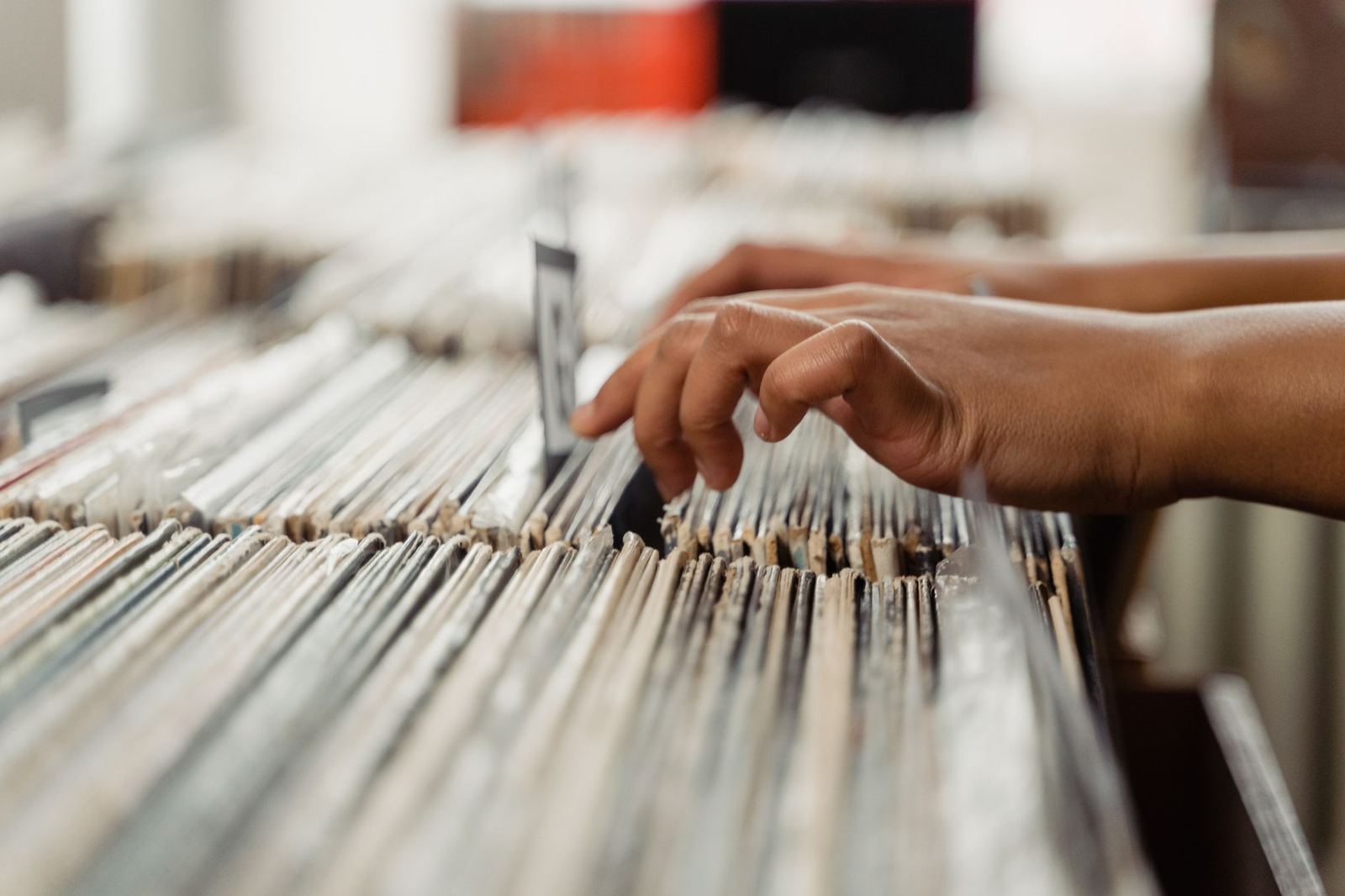
Vinyl in particular has a loyal following among independent artists and collectors, partly because the format rewards care. A beginner who understands sizes, playing speeds and basic handling will protect both the music and the equipment. Those basics are covered in the article on vinyl records for beginners, which explains the formats, the speeds and the habits that keep a collection in good condition.
Merchandise is the other pillar of independent income. Shirts, posters, stickers, tote bags and records sold at gigs often bring in more per fan than a stream does, which is why even tiny bands bring a table to shows. Choosing items that fans genuinely want, pricing them fairly and keeping stock manageable matters more than offering everything. The article on band merchandise basics walks through what typically sells and how bands think about it.
Promotion for an independent act is mostly patient, personal work. It means building an email list, getting a few local music writers or radio hosts to listen, trading shows with similar bands and showing up consistently. There is rarely a single moment that changes everything. More often a band grows through a long run of small, dependable steps, each of which makes the next show or release slightly easier to land.

Where independent bands play live
For most independent groups, live performance is where the music meets its audience. Early shows happen in small rooms, community spaces, backyards and open-mic nights. As a band builds a following, it might graduate to support slots at larger venues and then to headline dates. Moving up is gradual, and it depends as much on turnout and reliability as on musical quality.
Los Angeles has a large and varied live music scene, with rooms of every size. A reader who wants to understand the city as a whole, from club nights to large amphitheatres, can start with the guide to live music in los angeles. It outlines how the scene is organised and how to approach it for a visitor or for a resident.
Attending a show is a skill too. Fans who plan ahead, from buying tickets to arriving on time and dressing sensibly, tend to enjoy the night more and support the bands better. The step-by-step planning advice sits in the guide to how to go to a concert, which covers tickets, seating, what to bring and how to get home safely.
Loud music deserves one practical warning. The National Institute on Deafness and Other Communication Disorders says that long or repeated exposure to sounds at or above 85 dBA can cause hearing loss. Its list of familiar sounds places music through headphones at maximum volume, sporting events, and concerts at 94-110 dBA. The same page recommends wearing earplugs or other protective devices during loud activities. This is general information, not medical advice, and anyone with hearing concerns should see an audiologist or doctor.
For performers the lesson is equally important. Rehearsal rooms are often smaller and louder than venues, and players who spend years next to a drum kit are among the people most exposed. Foam or filtered earplugs are inexpensive, and building the habit early is far easier than repairing the damage later.
Reading the independent scene as a listener
For a curious listener, the most rewarding way into independent music is to follow a thread rather than a ranking. Start with a style that appeals, such as the jangly guitar sound of indie pop or the hushed warmth of indie folk, and look at the labels, venues and local scenes connected to it. Sleeve credits, liner notes and show posters are quiet maps that point to the next band worth hearing.
Local record shops, student radio and small-venue calendars are still among the best discovery tools, because the people behind them listen widely and enjoy sharing. Going to a show with an unfamiliar opening act is another reliable method. Plenty of listeners find a favourite group by arriving early and paying attention to the first set.
It also helps to hold the word indie lightly. As noted above, the industry meaning is about ownership, the cultural meaning is about attitude, and the sound meaning is about a loose set of styles. Keeping those apart makes it easier to follow conversations about music without getting stuck on whether a particular band deserves the label.
Independence also shapes how a band thinks about growth. Without a large company setting targets, the group decides what success means: a sold-out hometown night, a record that pays for the next one, a tour of small rooms in other cities, or simply the freedom to keep making music on its own terms.
The independent route has trade-offs worth stating plainly. A band that keeps control also keeps the workload, the costs and the risk. Time spent on invoices, uploads and emails is time not spent writing songs.
Frequently asked questions
Does indie mean unsigned?
Show answer
No. An indie artist can be completely self-released, but many are signed to small independent labels. The defining feature is independence from the large major companies, not the absence of a label.
Is indie a genre?
Show answer
Not in the strict sense. The American Association of Independent Music notes on its about page that independent does not refer to a specific genre. The word is also used informally for a family of styles, such as indie rock, indie pop and indie folk.
Who owns the rights to a band’s songs?
Show answer
The people who wrote and recorded them, unless they have signed rights away. The U.S. Copyright Office explains that creators own an original work once it is fixed. A contract can change that, so read any agreement carefully and seek legal advice for specific situations.
Do indie bands have to join a royalty organisation?
Show answer
Joining is not compulsory, but it is how songwriters collect certain royalties. The Mechanical Licensing Collective pays digital audio mechanical royalties to its members, so unregistered songs risk going unclaimed.
Should indie fans protect their hearing at small shows?
Show answer
Yes, because small rooms can be very loud. The NIDCD recommends earplugs or other protective devices for loud activities. Anyone with hearing concerns should see an audiologist or doctor.