
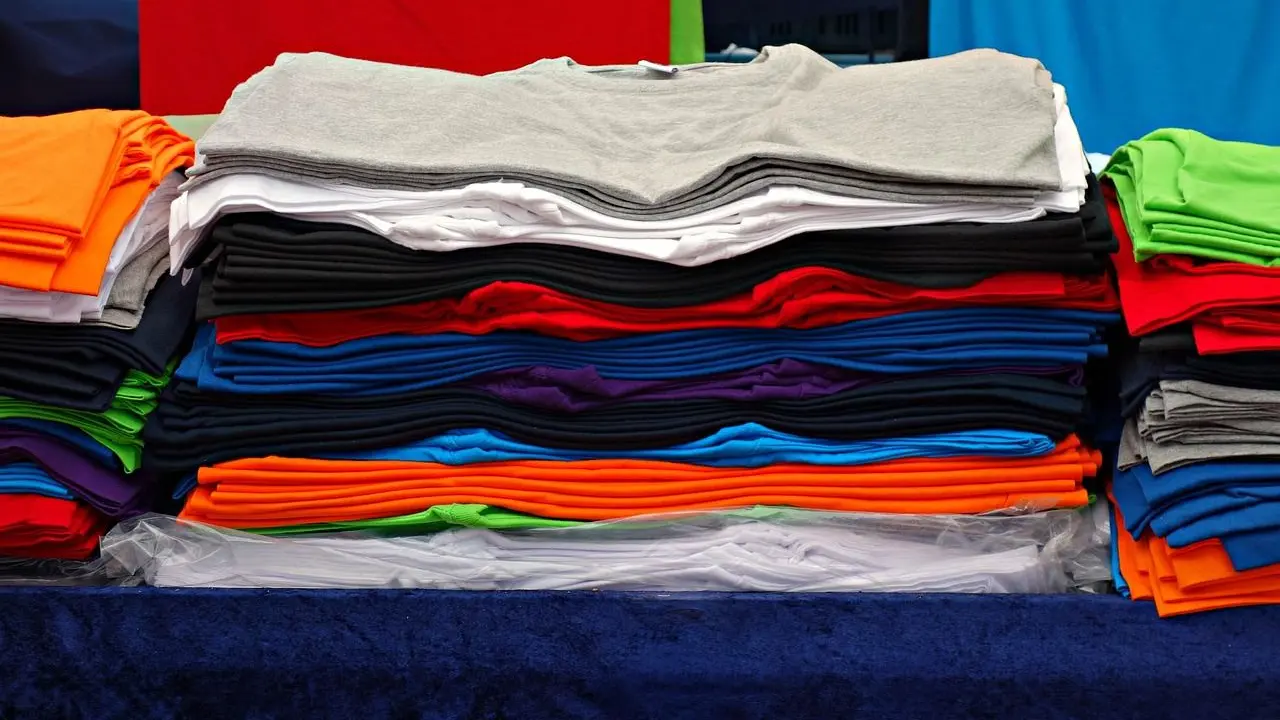
Band merchandise basics come down to a few things: choose items fans actually want to wear or play, protect the artwork and name, label clothing correctly and deliver online orders on time. Merchandise is simply any product sold alongside the music.
It sits inside the wider picture of what is an indie band, where independent artists often handle products themselves rather than through a large company.
What counts as band merchandise
Merchandise, usually shortened to merch, covers apparel such as t-shirts and hoodies, accessories such as tote bags, patches and enamel pins, printed items such as posters and stickers, and physical music formats. Recorded music is the one category that is both a product and the reason the band exists, which is why vinyl, cassettes and compact discs often sit on the same table as the shirts. A separate guide to vinyl records for beginners explains the formats that fans look for.
Two ideas help when thinking about what to make. The first is that merch works as both income and advertising: a person wearing a shirt carries the artwork into places the band never plays. The second is that every item is a promise about quality. A shirt that fades after a few washes reflects on the name printed across it, so the production choices matter as much as the design.
Items tend to fall into a simple pattern. Low-cost pieces such as stickers and patches are easy to add on impulse. Apparel is the staple. Special editions, such as a limited colored record or a numbered print, give committed listeners something collectable. None of this requires a large budget to try, which is why small acts often start with a single design and expand slowly.
Where merchandise gets sold
Most independent acts sell in two places: a table at shows and an online store. A show table has advantages that a website lacks. Fans have just heard the songs, they can handle the item, and there is no shipping step. An online store reaches people who could not attend, and it keeps selling long after a tour ends.
Venues sometimes take a share of merchandise sales or have their own rules about how tables are run. Those terms differ from place to place, so they are normally settled in the booking conversation rather than assumed. Readers who want the wider context of how shows are arranged can read about how tours are routed and booked in the broader concert guides on this site.
Online selling brings legal duties that a hand-to-hand sale does not. The US Federal Trade Commission publishes a business guide to its order rule, which says the rule applies to most goods a customer orders from the seller by mail, telephone, fax or on the Internet. It also says that if no shipment statement is made, the seller must have a reasonable basis for believing the goods can ship within 30 days. If a delay happens, the customer must be asked to consent to it, and money for unshipped goods must be refunded promptly when consent cannot be obtained.

Protecting the name and artwork
Merch carries a band name and a design, and both can be protected in different ways. The US Patent and Trademark Office explains that a trademark can be any word, phrase, symbol, design, or a combination of these things that identifies goods or services. It also says that a person becomes a trademark owner as soon as they start using the trademark with their goods or services, although those rights are limited, and that a registered trademark provides broader rights and protections than an unregistered one.
Copyright works differently and covers the artwork itself. The US Copyright Office says copyright protects original works of authorship as soon as an author fixes the work in a tangible form of expression. The same page notes that titles, names, short phrases and slogans are not creative enough to be protected by copyright, which is one reason a band name is a trademark question instead.
The practical lesson is about ownership. When a friend or freelancer draws a logo, the agreement about who may print it, and on what, is worth writing down before any shirts are produced. Using an image the band does not own, such as a photograph or another artist’s illustration, can create problems that no label or tag can fix. This is general information, not legal advice, and a lawyer who works with creative businesses can answer questions about a specific design.
Labeling clothing correctly
Apparel is the most regulated category. The FTC guide Threading Your Way says federal labeling requirements for textile and wool products require that most of them have a label listing the fiber content, country of origin and identity of the manufacturer or another business responsible for marketing or handling the item. For a blended shirt, the guide says each constituent fiber must be listed in descending order of predominance.
Care instructions are a separate matter. According to the FTC page on the Care Labeling Rule, the rule requires manufacturers and importers to attach care instructions to clothing and some piece goods. The same page lists shoes, gloves and hats as exempt apparel, so a beanie or a pair of gloves follows different expectations than a hoodie.
The duties become more visible when a band sews on its own tags or has garments made from scratch, in which case the band takes on the role of the business responsible for the product.
Practical choices that keep merch simple
Several habits make the process smoother without adding cost. They apply to almost any independent act.
- Start small. One strong shirt design usually teaches more than a full catalog of untested items.
- Keep sizes sensible. Common adult sizes sell through faster than extremes, so extra stock in unusual sizes tends to stay in the box.
- Record what sells. A simple tally after each show shows which items fans pick up and which ones are left over.
- Plan the table. Clear signage, a visible price list and a way to take payment reduce hesitation at a busy venue.
- Store stock properly. Dry, flat storage protects posters, shirts and record sleeves between shows.
Money from merchandise is also worth tracking separately from other income. Streaming and performance earnings follow their own paths, which are described in the guide on how music royalties work, while merchandise revenue comes directly from sales and depends on the cost of each item produced.
Frequently asked questions
What do bands usually sell at shows?
Show answer
Apparel, posters, stickers, patches and physical recordings are the common categories. The mix depends on the band, the audience and how much the act can afford to produce.
Does a band need to register a trademark before selling shirts?
Show answer
According to the US Patent and Trademark Office, registration is not required, and rights begin with use. A registered mark provides broader protection, so some acts choose to apply as they grow.
Do homemade shirts need labels?
Show answer
The FTC guidance says federal labeling requirements apply to most textile products and call for fiber content, country of origin and the responsible business. Anyone making clothing to sell should read the FTC guide linked above or ask a professional.
Can a band use any image on its merchandise?
Show answer
No. Artwork belongs to whoever created it unless an agreement says otherwise, so a band should only print images it owns or has permission to use.