
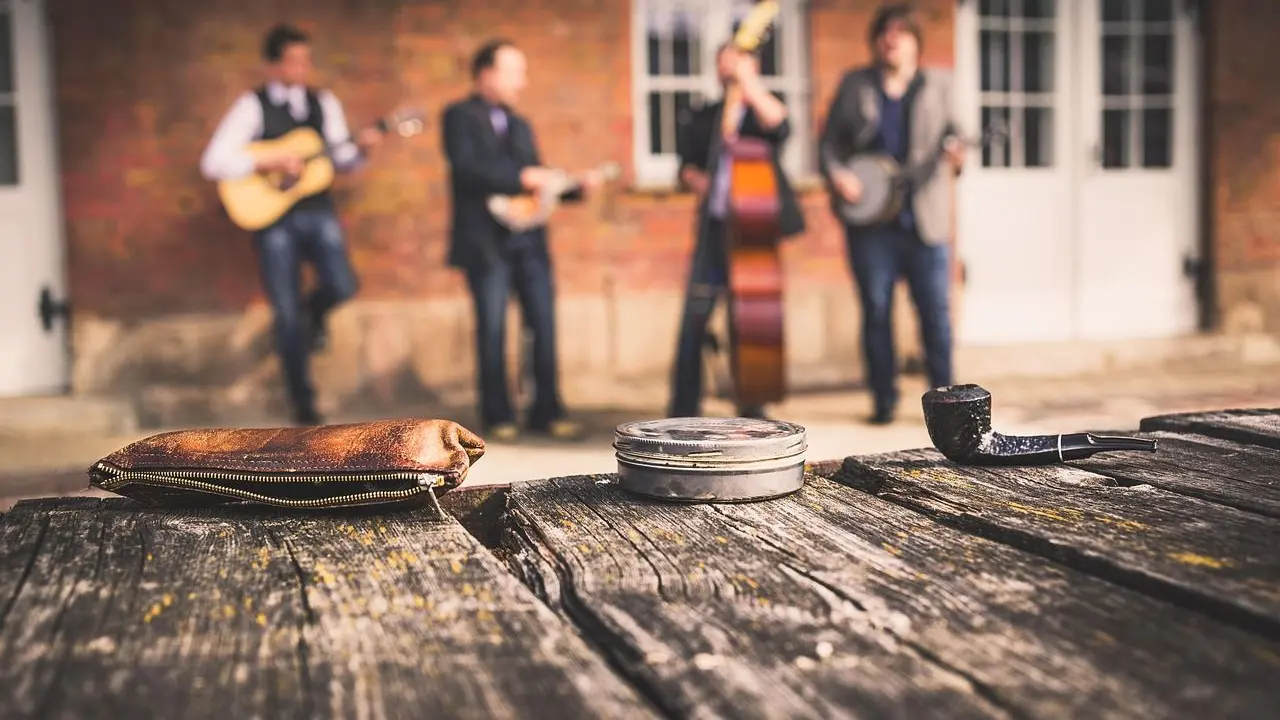
What is indie folk? It is an alternative style that mixes the acoustic guitar songs and storytelling of traditional folk with the experimental spirit of indie rock, usually played in a close, personal way.
The genre sits inside the wider world of independent music, which the guide on what is an indie band explains in full. This page focuses on the folk side: where the sound comes from, which instruments define it and how to hear it.
What indie folk means
Indie folk, also called alternative folk, is described as an alternative genre that arose in the 1990s among musicians from indie rock scenes influenced by folk music. The label is loose. The term is hard to pin down, and different listeners use it for quite different records.
A useful way to think about it is as a blend. The same reference says the genre blends the ethos and experimental nature of indie music with the storytelling of folk music. From indie comes the do-it-yourself attitude, the willingness to try odd arrangements and the habit of releasing music outside the mainstream. From folk comes the song itself: a voice, a story and an acoustic instrument.
The folk roots behind the sound
To understand the folk half, it helps to look at what folk music is. Britannica explains that folk music is traditional music that was originally passed down through families and small social groups. It also notes that the tradition thrives in oral form, being learned through hearing rather than reading, and that its origins are primarily rural.
That habit of passing songs along by ear is why folk melodies tend to be simple and easy to sing. A tune has to be memorable enough to survive being taught from person to person, and indie folk songwriters keep that instinct even when they write new material instead of inheriting old songs.
The modern revival of folk is another root. The Rock & Roll Hall of Fame says Woody Guthrie revolutionized folk music when he used it to express his own, often radical, views about society. Its profile of Bob Dylan credits him with bringing folk-rock into the mainstream. Both are regularly named as ancestors by later songwriters who treat the guitar and a direct lyric as a serious artistic tool.
How indie folk sounds
The center of the sound is an acoustic guitar. A genre description says indie folk hybridizes the acoustic guitar melodies of traditional folk music with contemporary instrumentation. In practice that means a fingerpicked or gently strummed guitar carrying the song, with other parts added around it.
Those added parts are where the indie side shows up. Typical choices include:
- Soft, close-miked vocals that sound as if the singer is in the room, often with layered harmonies.
- Light percussion such as brushed snare, a kick drum on a wooden floor, hand claps or a simple shaker.
- Pads of reverb, a hum of synthesizer or a low electric guitar that adds atmosphere without turning the song into a rock track.
- Lo-fi or home-recorded textures, where room noise and imperfections are left in on purpose.
The result is usually quieter and more intimate than indie rock. Anyone curious about how the louder cousin differs can compare it with indie pop vs indie rock, which maps the neighboring styles.
Instruments you will hear
Indie folk borrows its instrument list from the folk tradition. A genre overview notes that instruments frequently used in the genre include guitars, banjos, mandolins, and ukuleles. Britannica makes a related point about folk in general, saying that instruments taken from urban musical culture, such as violins, bass viols, clarinets, and guitars, are also prominent.
Each instrument has a typical job:
- Acoustic guitar supplies the chords and often the main rhythm.
- Banjo adds a bright, plucked sparkle, either rolled in patterns or strummed for energy.
- Mandolin gives a shimmering, high-pitched line that works well for hooks and fills.
- Ukulele brings a small, light strum that suits gentle, upbeat songs.
- Violin or fiddle carries long melodic lines or adds a rustic edge.
- Piano, upright bass and a small drum kit fill out the arrangement for fuller band recordings.
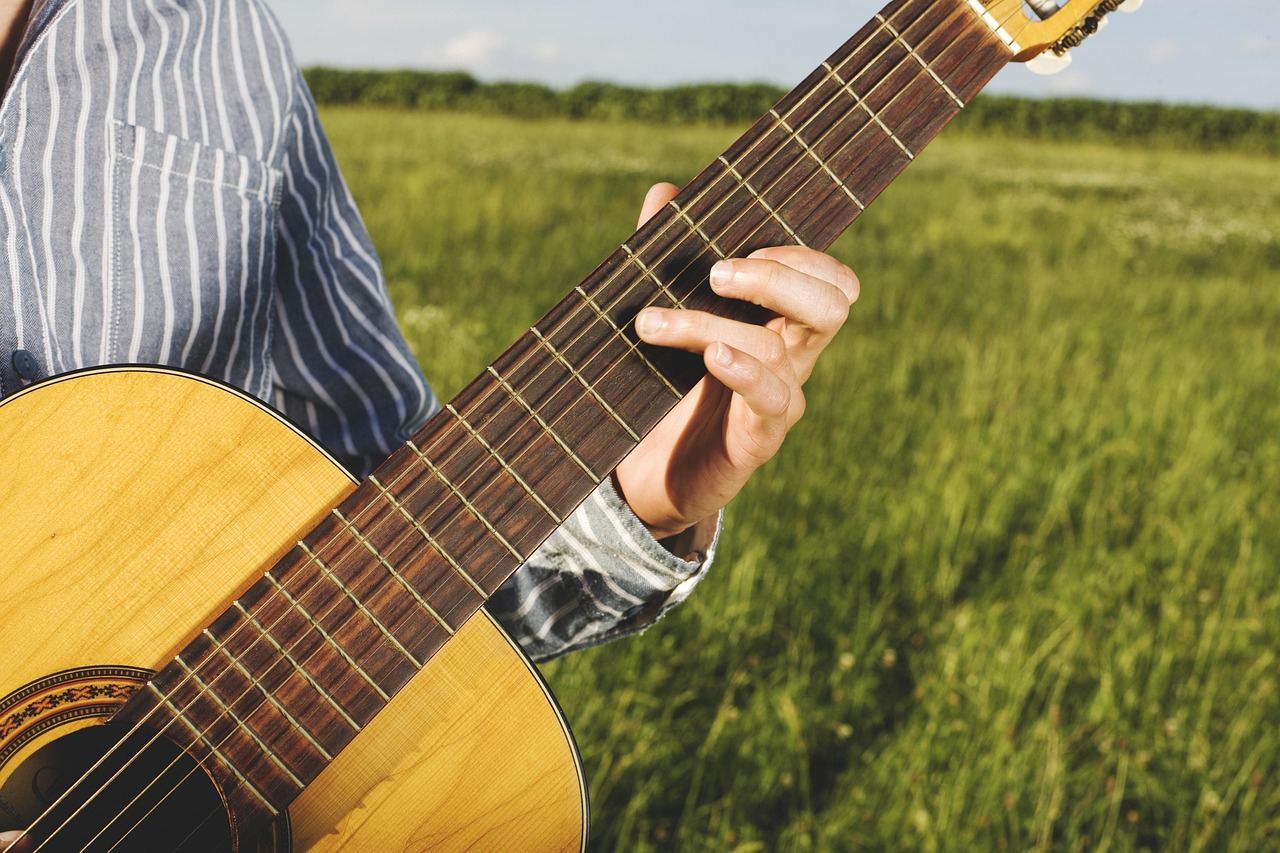
Because the core instruments are acoustic and portable, indie folk is friendly to small stages, living rooms and street corners. A songwriter with a guitar can play a full set alone, and the same songs can grow into a full band when more players are available.
Lyrics and songwriting
A genre description says the lyrical style commonly includes raw emotional experiences, social commentary and an introspective lens. Songs often read like short diaries or small stories, with specific details of places, weather and relationships instead of broad slogans.
Song structure tends to stay simple: verses and a chorus, sometimes with a bridge, built on a handful of chords. The craft lies in the phrasing and in arrangement choices, such as when a harmony enters or when the percussion drops out to let a line breathe. Those habits carry over directly from the folk tradition of the story-song, where the listener follows the narrative as much as the tune.
Related styles and where the lines blur
Indie folk shares borders with several other labels. Britannica notes that some offbeat acoustic music was variously branded neofolk, psych-folk, freak folk, terms that point to a more psychedelic take on acoustic music. Folk-rock, the electric blend associated with Dylan, is another neighbor, and so are folk-pop and the quieter side of singer-songwriter music.
Where each record lands depends on production and attitude more than on any fixed rule. A banjo does not make a song indie folk, and a drum kit does not remove it from the genre. The history of the broader scene helps explain why the boundaries stay fuzzy, and the article on the history of indie rock traces how independent labels, college radio and small venues shaped the wider movement.
How to start listening and seeing it live
The easiest way to explore is to follow instruments and moods rather than names. Search for playlists built around fingerpicked guitar, banjo or mandolin, then branch out to related folk-rock and singer-songwriter styles. Reading liner notes can reveal who plays what and which small labels release the music.
Live, the genre fits intimate rooms. Coffeehouses, small clubs, listening rooms and outdoor stages are common settings, and a quiet audience is part of the experience, so arriving on time for the opening act is often worthwhile. Bring ear protection if the venue is loud, and check each venue’s own website for its current rules before going.
Frequently asked questions
Is indie folk the same as folk music?
Show answer
No. Traditional folk is music passed along by ear through communities, while indie folk is a modern style that borrows the acoustic sound and storytelling and adds the independent, experimental approach of indie music.
What instruments define indie folk?
Show answer
Acoustic guitar is the anchor, joined by banjo, mandolin and ukulele, with violin, piano and light percussion in many arrangements.
Is indie folk the same as folk-rock?
Show answer
They overlap but are not identical. Folk-rock leans on electric instruments and a full rock band, while indie folk usually keeps an acoustic center and a quieter, more intimate feel.
Can a solo musician play indie folk?
Show answer
Yes. Because the style is built on a voice and an acoustic instrument, a solo performer can deliver a complete set, which is a reason it suits small venues and home recording.